Elevating Excellence: Our Brand Ambassadors Redefine Style and Substance.
Measure your table's length and width (or diameter for round tables), then add your desired drop to each side. Remember to add the drop amount twice—once for each side of the table.
Example: If your dining table is 40" × 80" and you want a standard 10" formal drop, you need to add 20" to both the width and length. Your perfect tablecloth size would be 60" × 100".
We offer 5 versatile standard sizes designed to fit most classic dining and accent tables:
If you have an extra-large banquet table, a round surface, or a unique layout, we can easily custom-tailor a piece just for you. Simply contact our customer service team with your exact tabletop dimensions to get started.
Yes. We recommend measuring your table at its fully extended size and selecting a tablecloth that accommodates the maximum dimensions.
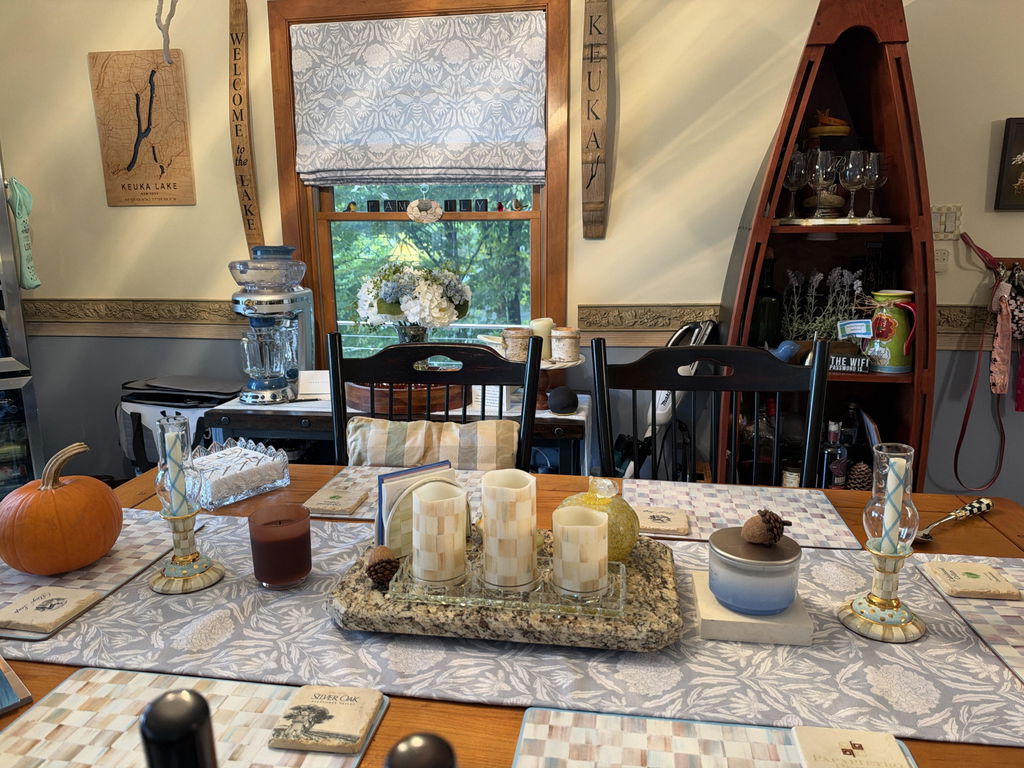
A tablecloth helps protect your table surface, adds warmth and texture to your space, and creates a more polished dining experience. Many customers use both tablecloths and placemats together for layered styling.
Iron on the reverse side using low-to-medium heat. For velvet tablecloths, never iron the front pile—simply steam the reverse side to easily lift creases and restore its rich texture.
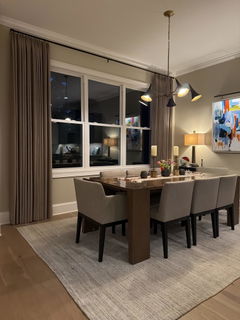
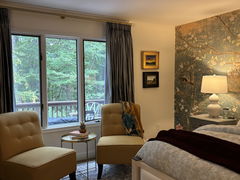
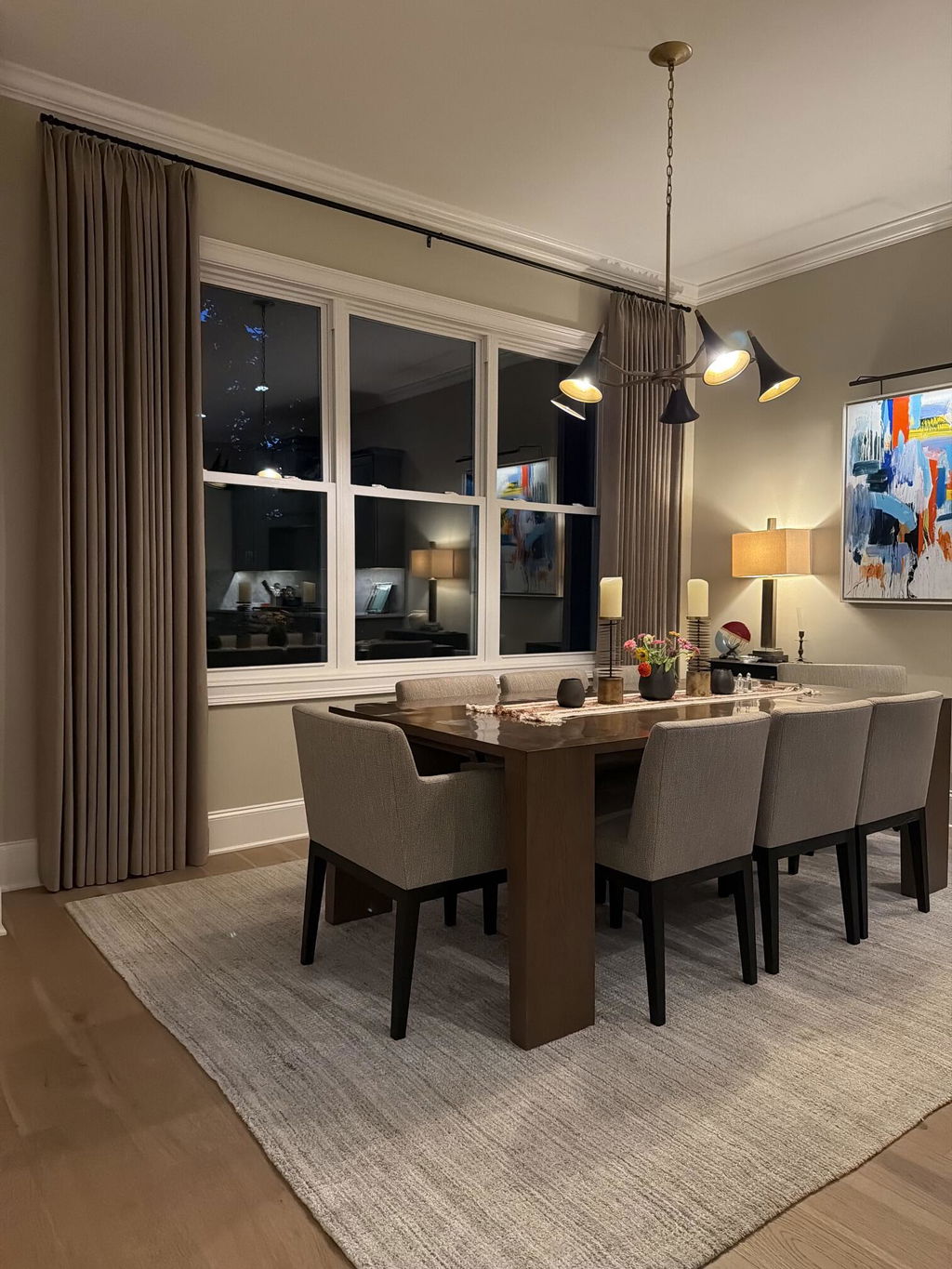
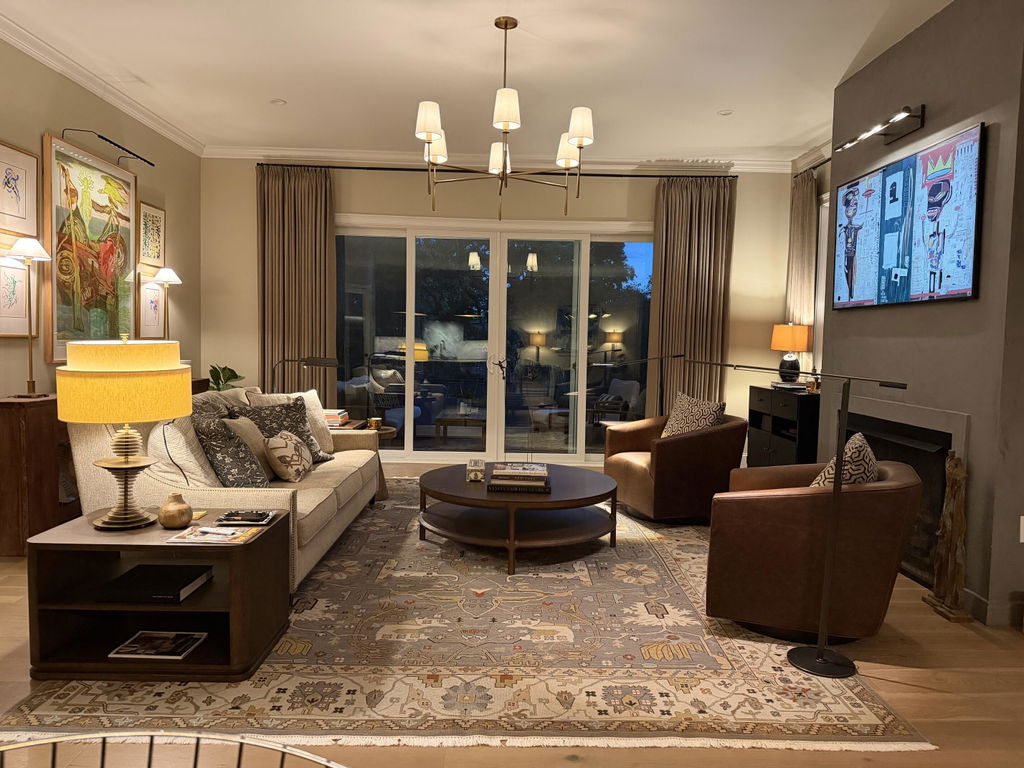
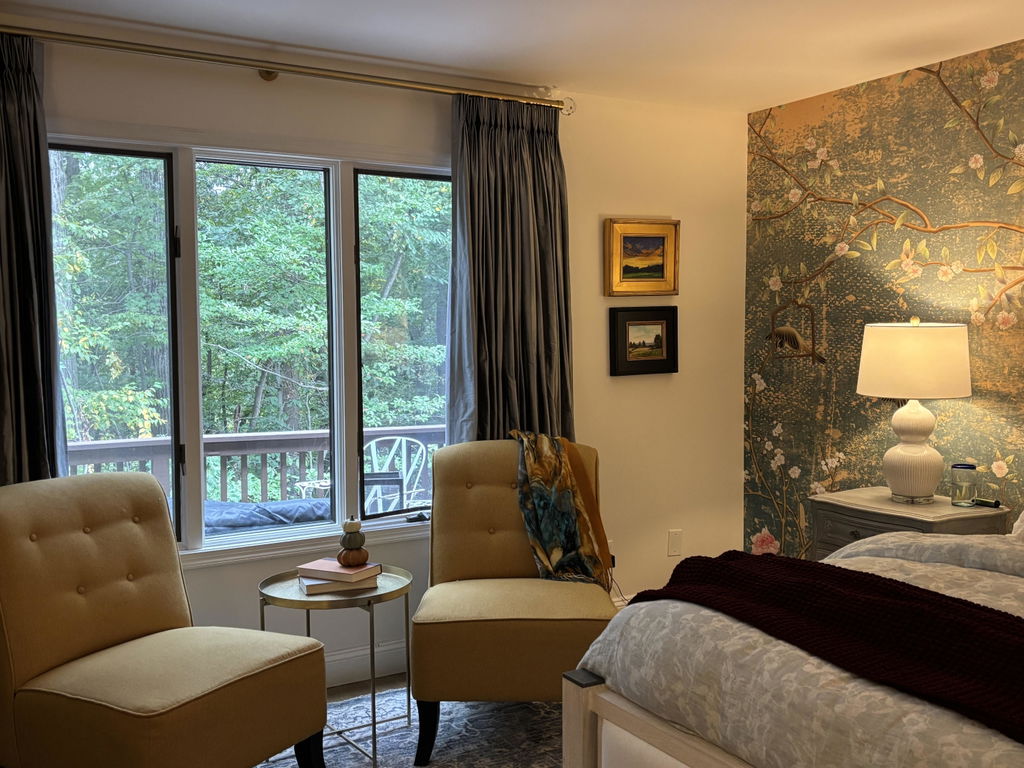
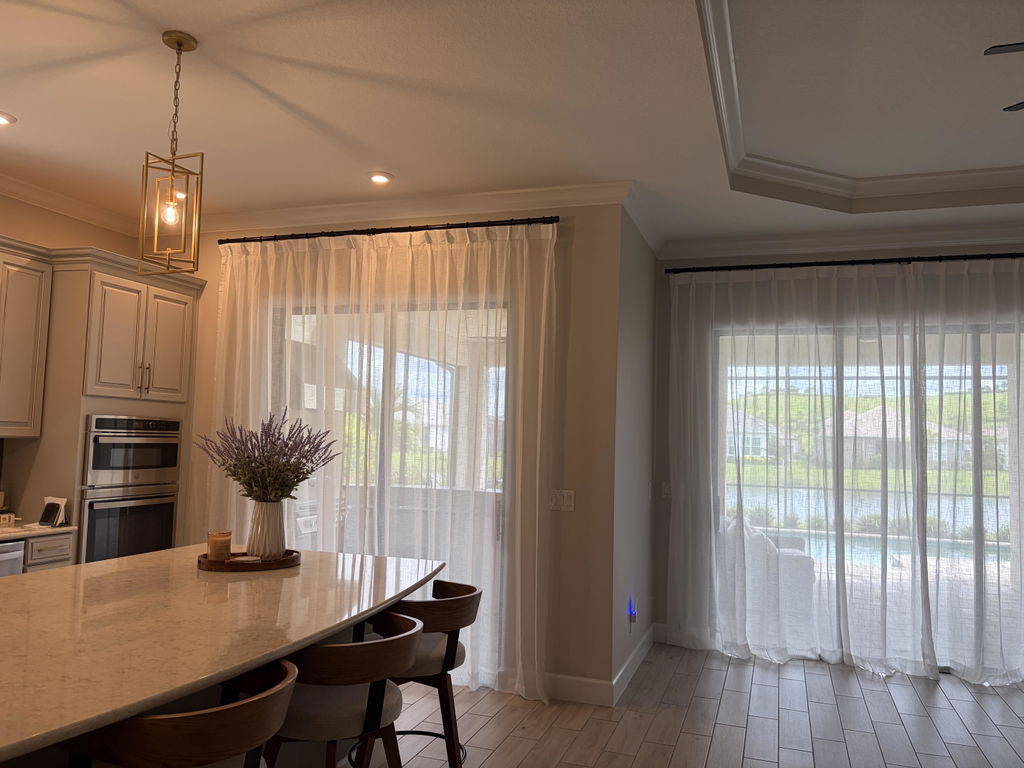
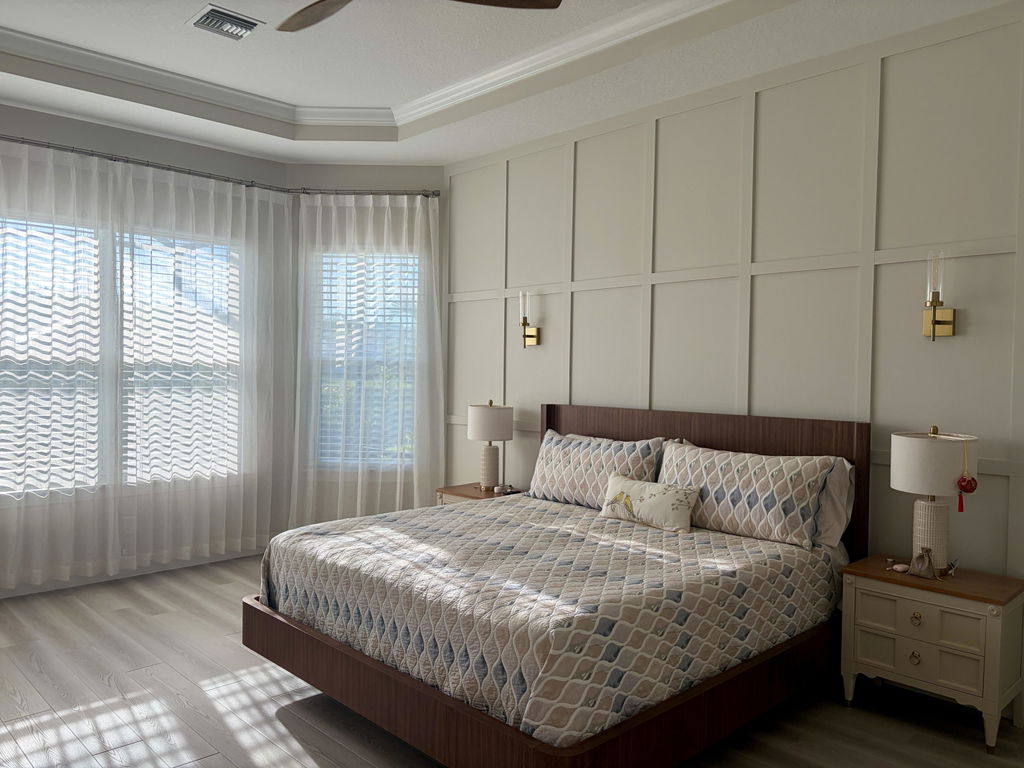
Less is more. In the context of interior design, neutral means without color. Neutrals such as beige, ivory, taupe, black, gray, and shades of white appear to be without color. but in many applications these hues often have undertones. Be aware of these underlying tones as you match colors. Neutral colors are muted shades that appear to lack color but often have underlying hues that change with different lighting. To some extent, blacks, browns, tans, golds, and beige are considered warm. Cooler colors, on the other hand, are white, ivory, silver, and gray.


Mon. to Sat. 6am. - 5pm. PST
Sun. 6am. - 3pm. PST