
Bedroom Design Essentials: How To Create Your Perfect Sleep Sanctuary
By Ashley Patterson
Did you know we spend roughly one-third of our lives sleeping? With that in mind, consider how important it is to create a bedroom that actually functions as a sanctuary for sleep. And trust me, it goes far beyond choosing cute bedding and calling it a day. After designing bedrooms for clients and perfecting my own spaces over the years, I've learned that the most restful, beautiful bedrooms share a few key elements.
Whether you're starting from scratch or refreshing your current space, here are the essential elements I always consider when designing a bedroom that's both beautiful and supports great sleep.

Photo credit: Katelyn Perry
Sleep is Paramount
It sounds obvious, but it's surprising how often we compromise on comfort for the sake of style. Just last week I was on a photoshoot where the stylist had brought the cutest king-sized brown gingham sheets and I was eyeballing them hard. I really wanted to take them home with me after the shoot and she flat out refused, saying they were the most uncomfortable sheets ever and were made from materials nobody should actually sleep in. At that moment I was thinking “how bad could they be??” but in retrospect, I owe her a thank you!
Your bedroom (and by extension, your bedding) should be a haven for sleep above all else. While people have different preferences on mattress firmness and bedding types, the priority should always be comfort and calm. Your mattress and sheets are not the place to skimp on quality.
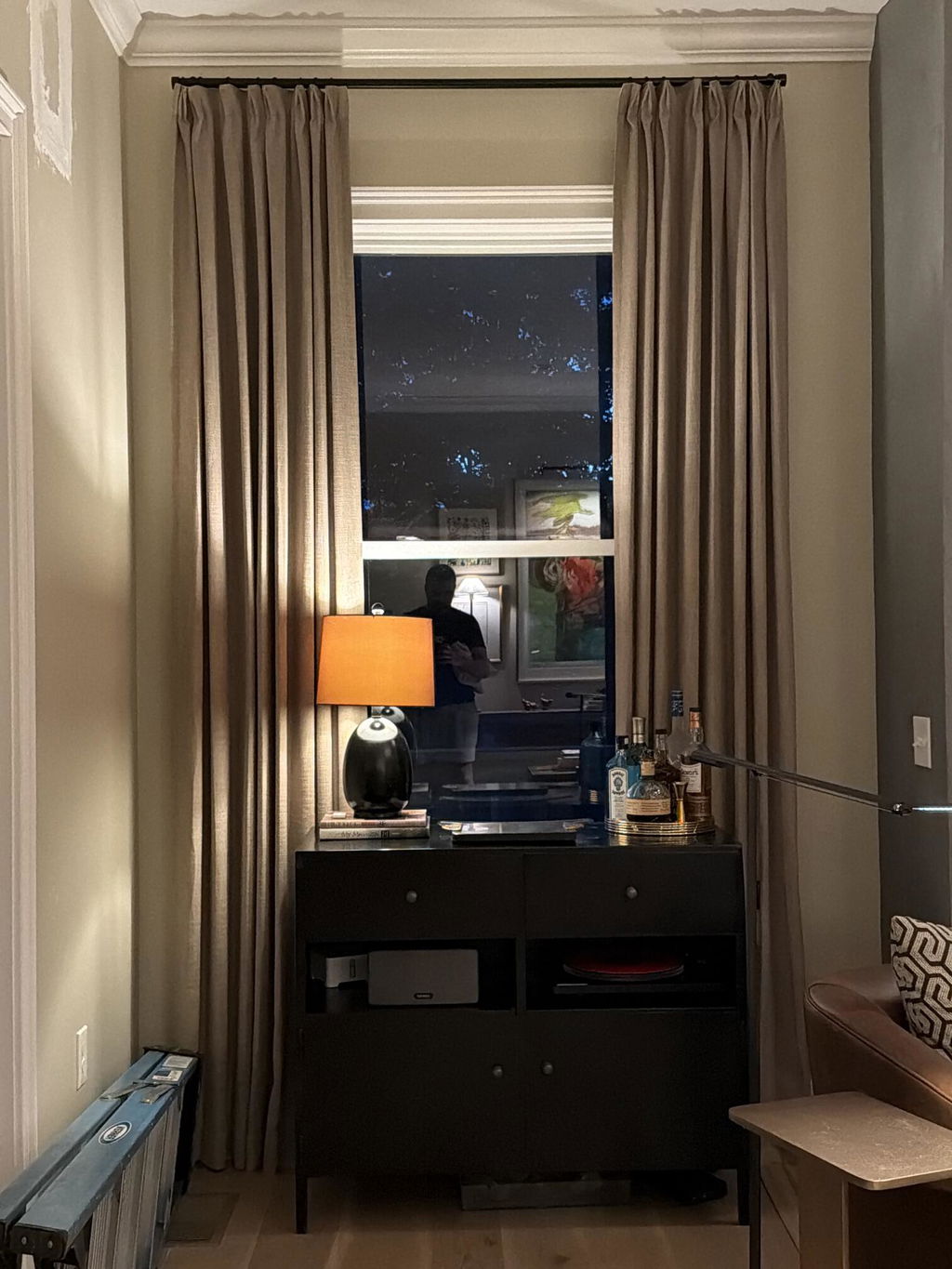
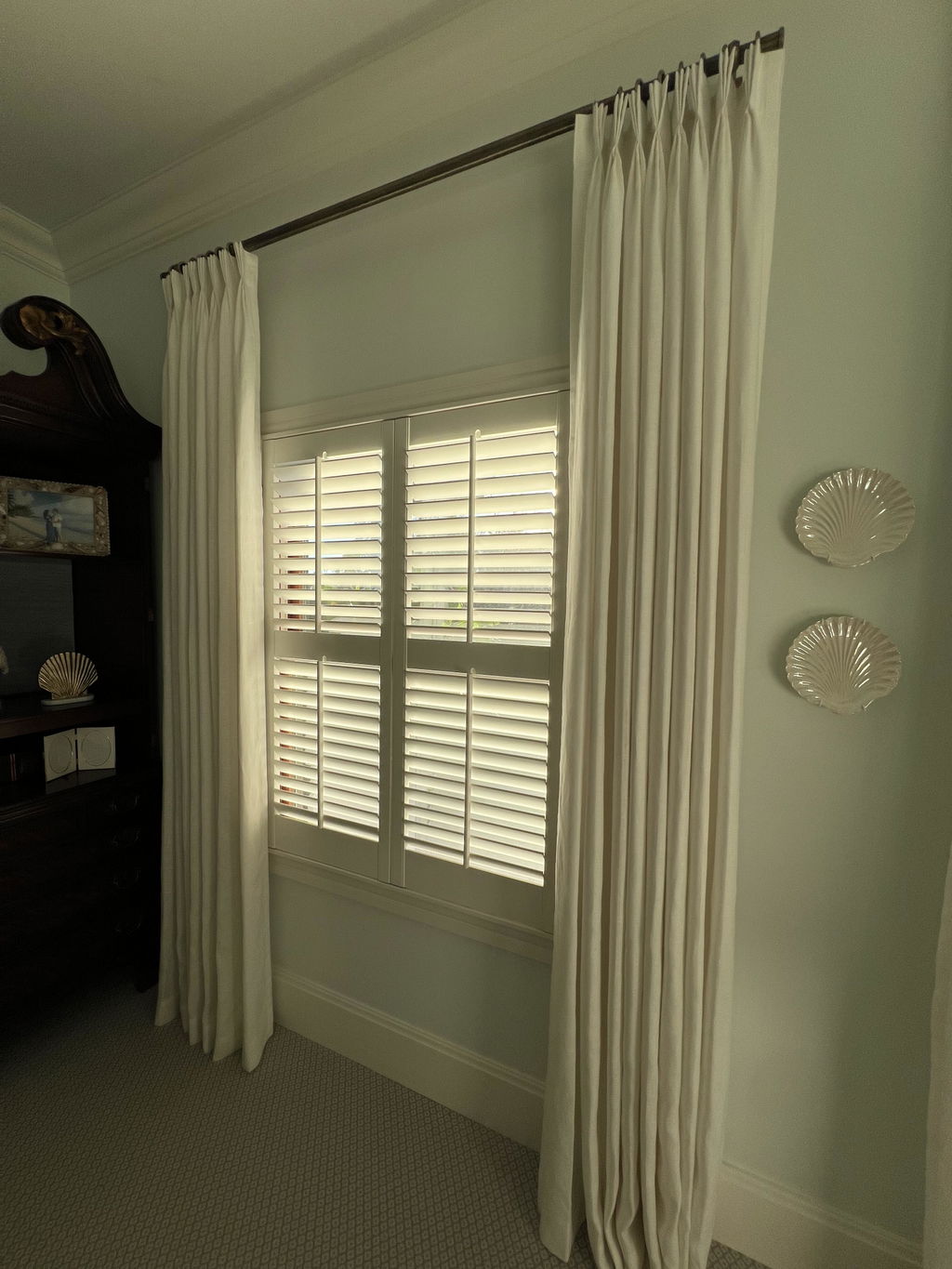
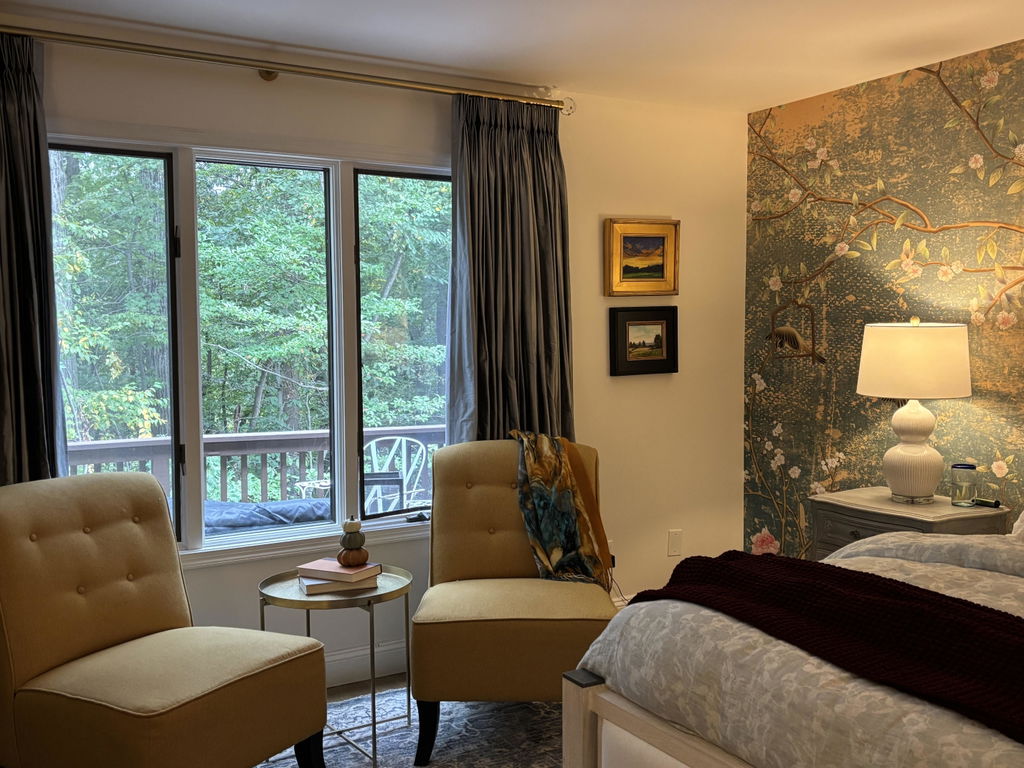
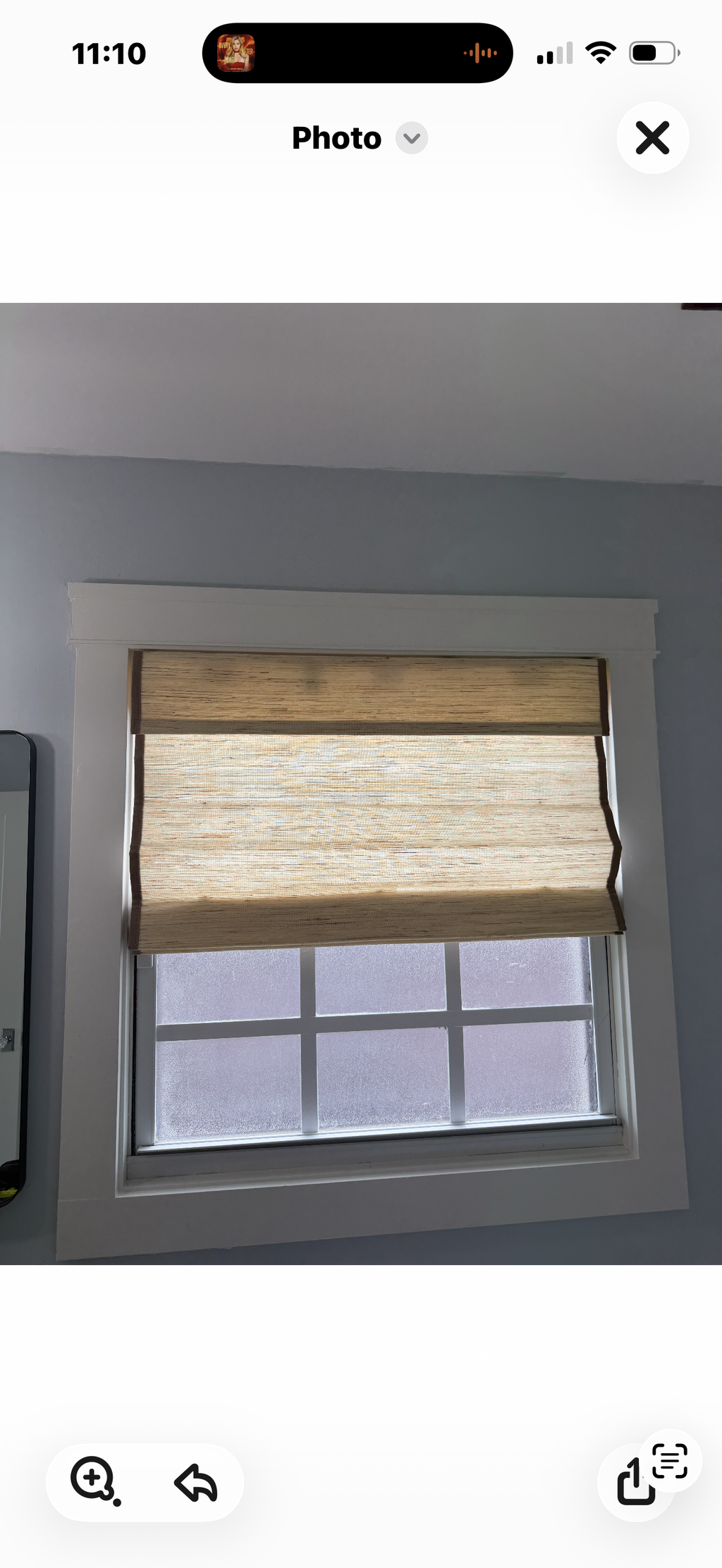
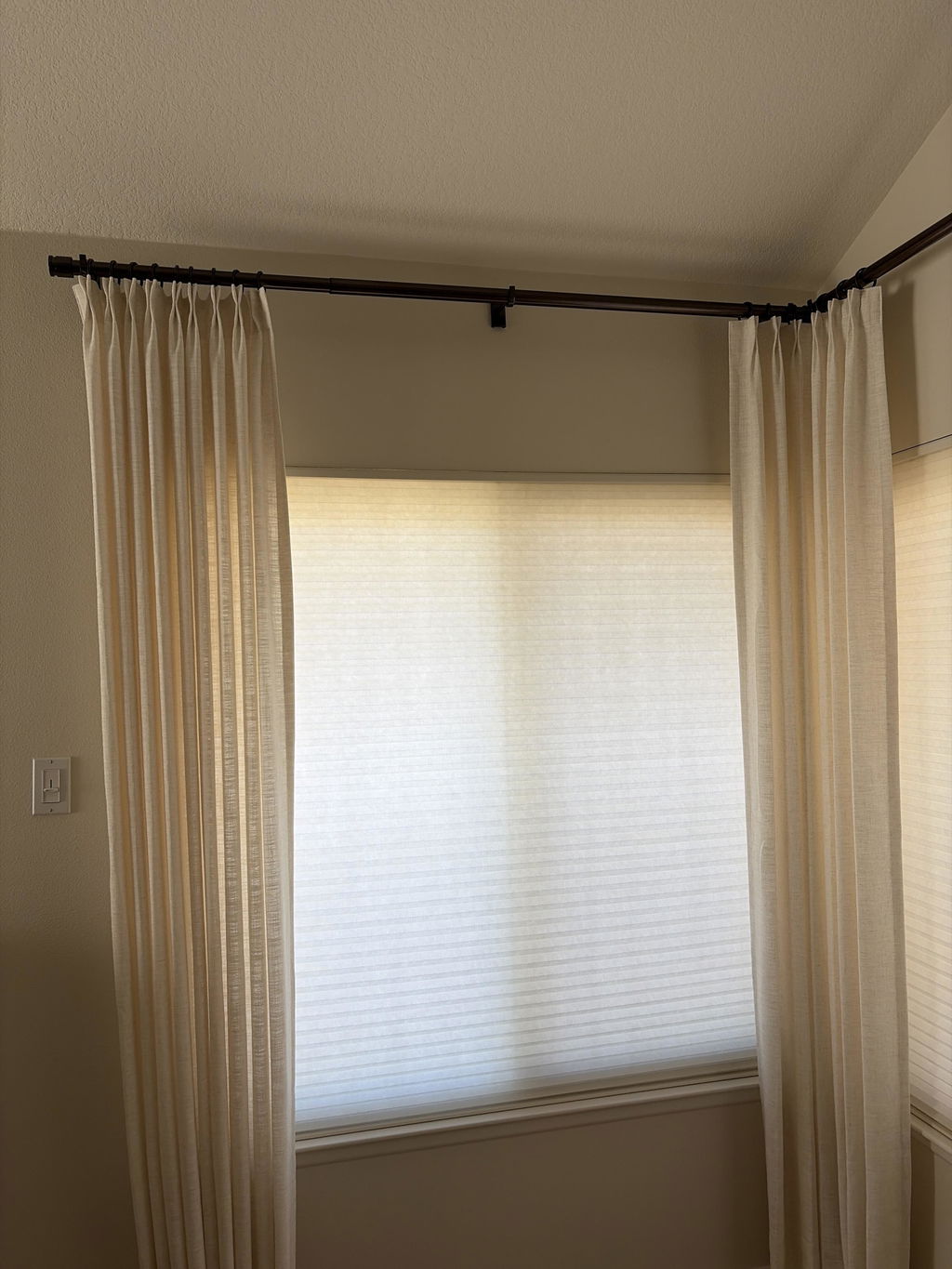
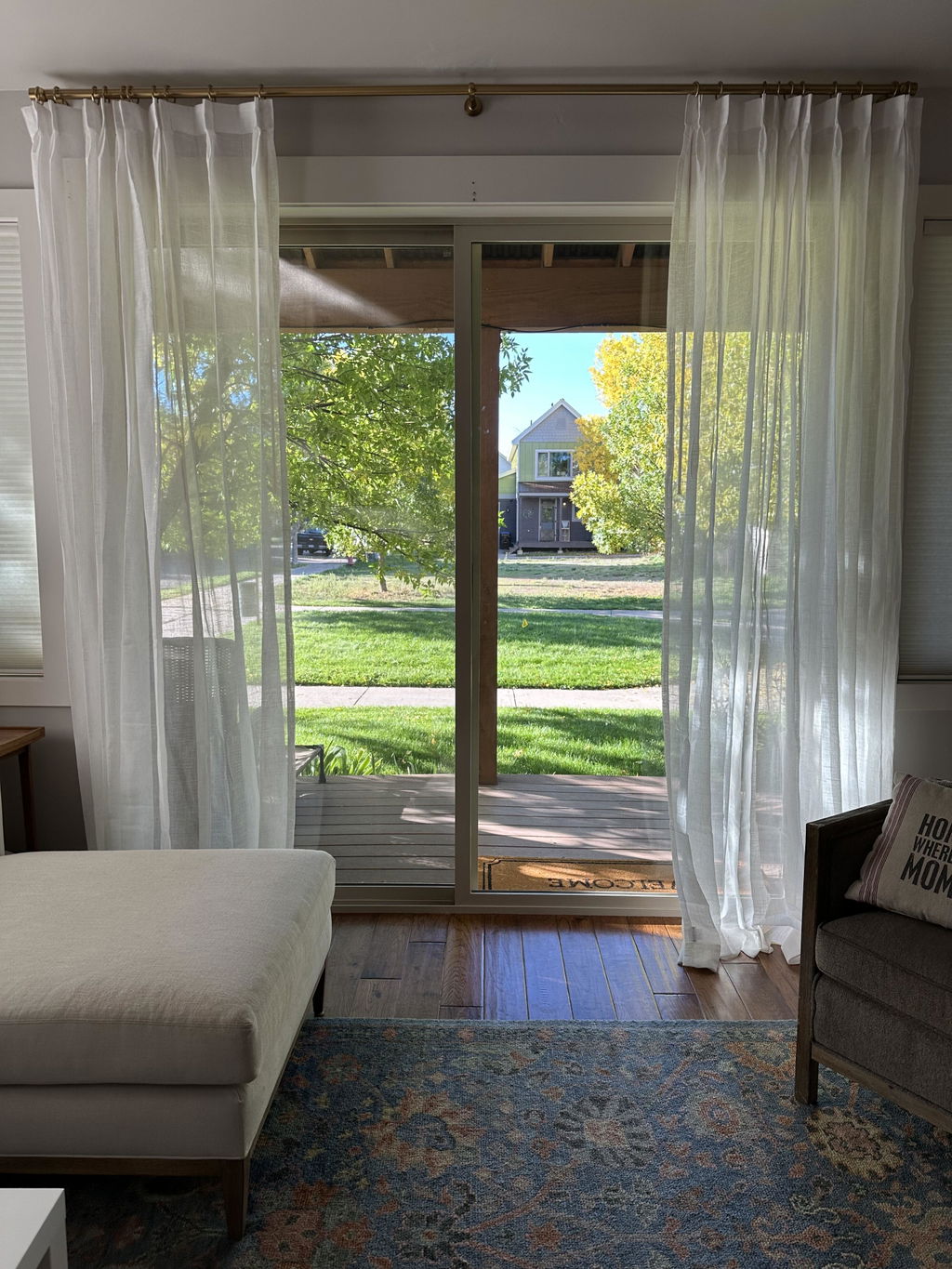
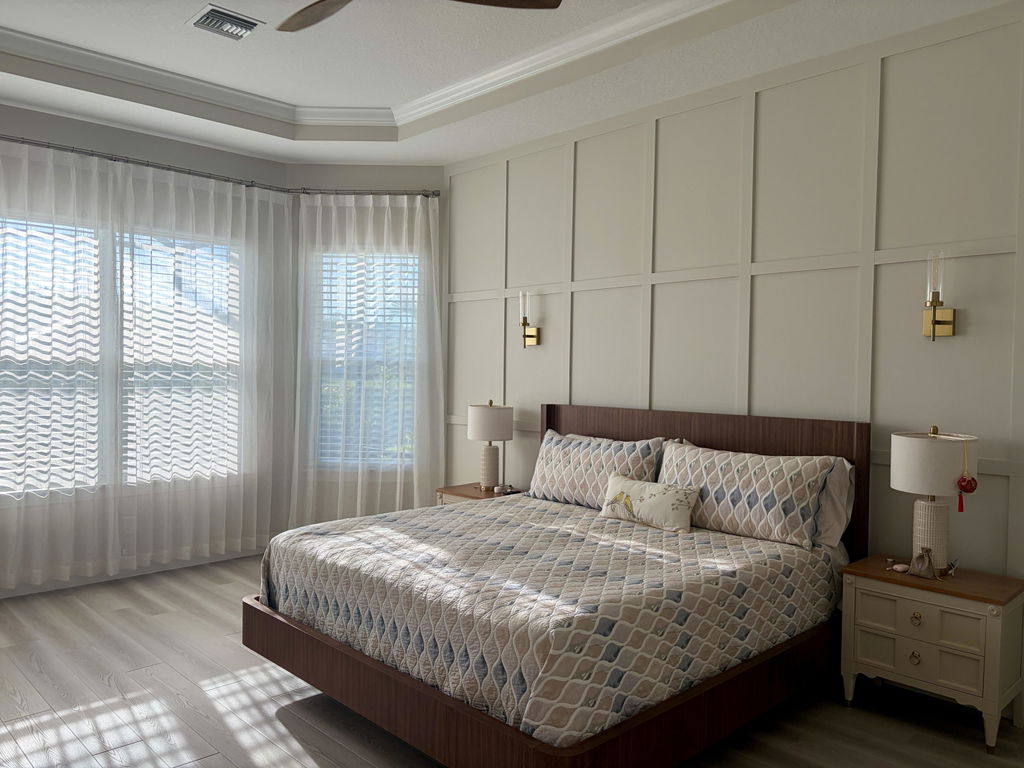
Beyond investing in quality bedding, window treatments play a crucial role in ensuring both privacy and a good night's sleep. Some people (myself included) prefer to let soft, filtered light reach them in the mornings, while others need total blackout to sleep well. Shades and curtains serve this functional purpose while also adding a layer of luxury, comfort, and textural interest to the space.
The key is knowing your quirks and designing around them. If you're someone who needs complete darkness, invest in blackout curtains or lined window treatments. If you love waking up gradually with natural light, choose fabrics that filter rather than block.

Photo credit: Katelyn Perry
Don’t Forget Storage (Seriously!)
Let’s be real: the bedroom is where clutter goes to hide – especially if you have kids and need to stash things away quickly before guests arrive. In our house it’s the ever-present “I’ll-deal-with-this-later” laundry basket and the bag of kids’ clothes that I promise I’m going to take to donate…at some point. Pretending the room will stay pristine forever is setting yourself up for frustration and disappointment.
That’s why I plan storage like it’s part of the design. Bedside tables with drawers (so books and lip balm and discarded jewelry don’t pile up), baskets under the bench for extra throws, a dresser that fits the overflow clothes I can’t fit in my closet, cabinetry and shelving wherever the room allows...you get the point.
When you plan for real life — kids, cords, socks that multiply overnight — the room works with you instead of against you.

Photo credit: Katelyn Perry
Lighting Can Set the Tone
Overhead lighting is such a buzzkill. There, I said it. Overhead lighting screams hospital room, not sanctuary. It’s one of my biggest pet peeves.
I like layers: a pair of lamps for reading, a low sconce that almost feels like candlelight, a ceiling fixture on a dimmer so I can dial the brightness down.
Lighting is what lets a room shift with you. You can embrace soft and cozy at bedtime. Keep it brighter when you’re folding laundry. Create different zones for different needs and moods. And remember that lightbulb choice matters too: for cozy and warm lighting choose light bulbs with a color temperature between 2700K and 3000K (warm whites, or soft whites). Bulbs with higher color temperatures emit a harsher, cooler, more blue-toned light.

Photo credit: Sean Litchfield
Rugs and Furs Add Lush Comfort
Hardwood floors are gorgeous. Until your bare feet hit them on a snowy January morning in northwest Connecticut. The shock of that chill will wake you faster than coffee. A plush rug or cozy sheepskin is my go-to way to amp up the comfort factor in any bedroom.
Soft textures also add visual warmth and help define the sleeping area, especially in larger rooms. Don't be afraid to layer different textures – a jute rug with a smaller sheepskin on top can create beautiful depth while providing a soft (and warm!) spot for your feet to land each morning.

Photo credit: Katelyn Perry
Get Personal
The pieces that make a bedroom feel like yours aren’t always the design-forward ones. In our old Brooklyn apartment, we created a gallery wall full of art and photography that held special personal meaning to our family. Nothing really matched (I used a white frame concept to tie it together), but it told our story and made the space feel unique to us.
I bring that same instinct into new spaces. Your bedroom is the one place you don’t have to impress anyone. Hang the painting your kid made in art class. Keep the dog-eared book or the tchotchke from your mom on your nightstand. Personal touches are the things that shift a room from decorated to lived-in.

Photo credit: Sean Litchfield
Creating Your Sanctuary
Remember, the most beautiful bedroom in the world won't serve you well if it doesn't support good sleep and reflect your personal needs. The goal isn't perfection or hotel polish (unless that’s truly your happy place). A real sleep sanctuary is the room where you can exhale, toss your socks on the floor, and finally switch off. Start with what lets you sleep, move, and store your life comfortably. Then layer in the pieces that feel most like you. That’s when your bedroom becomes home.
ABOUT WRITER





Leave a comment