
Window Shade Sizes Guide
Understanding window shade sizes is integral to both their function and appearance on windows. Choosing the right size ensures proper light control, privacy, insulation, and a clean, professional look. Whether you’re replacing old shades or outfitting a new home, understanding window shade sizes can save you time, money, and frustration.In this comprehensive guide, we’ll walk through standard window shade sizes, when to choose custom shades, how to measure correctly, and common mistakes to avoid.
NAVIGATION

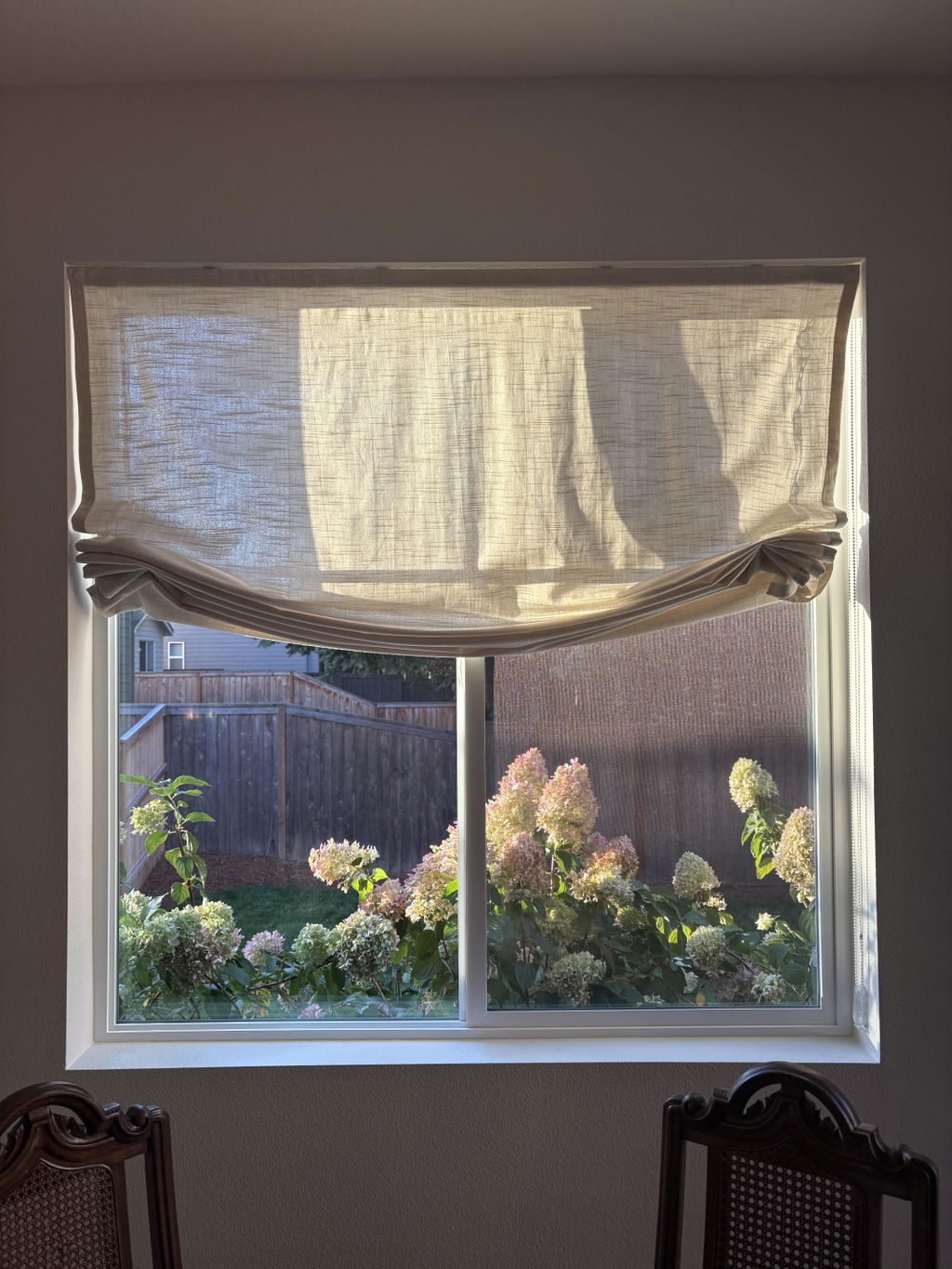
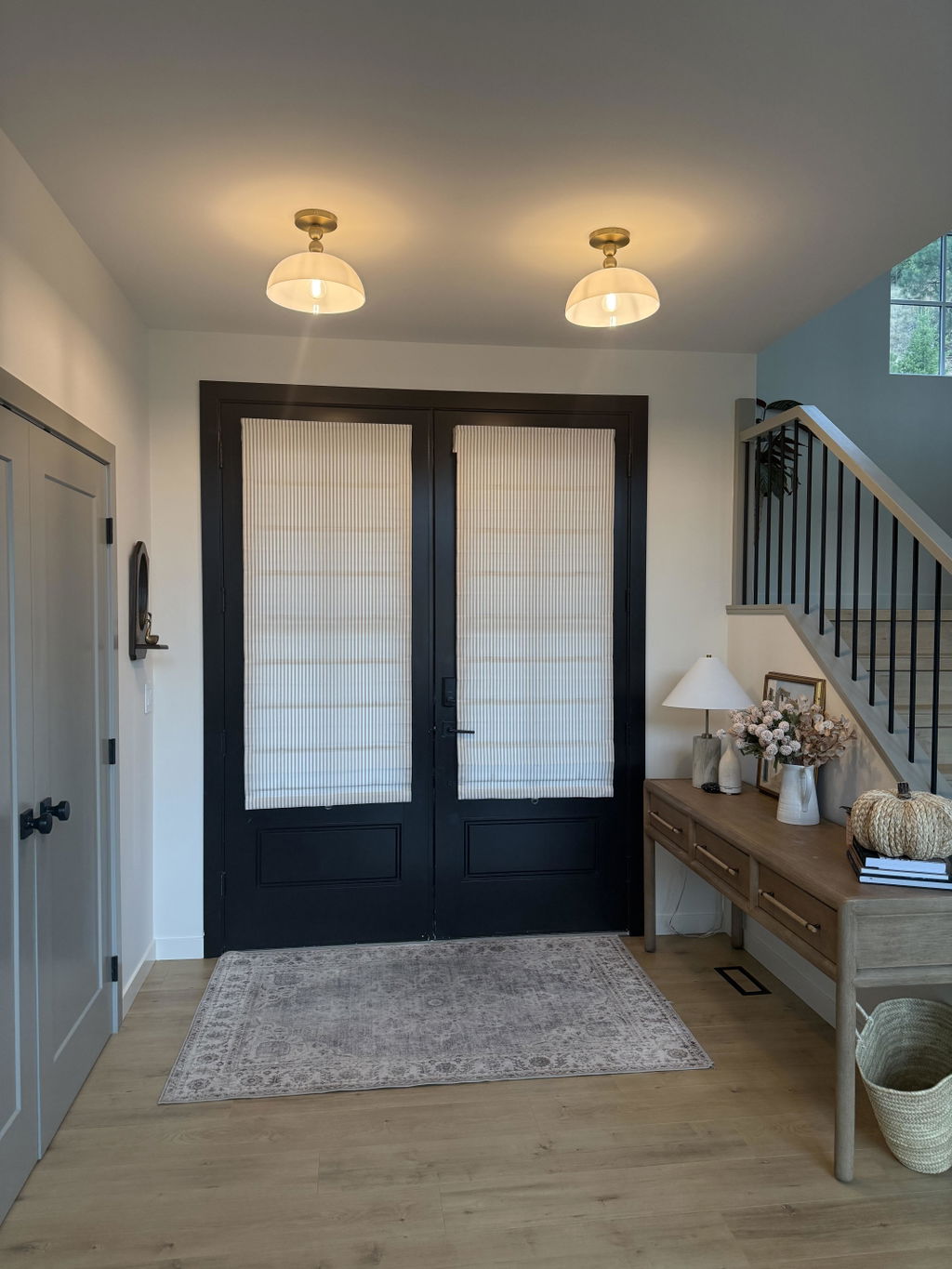
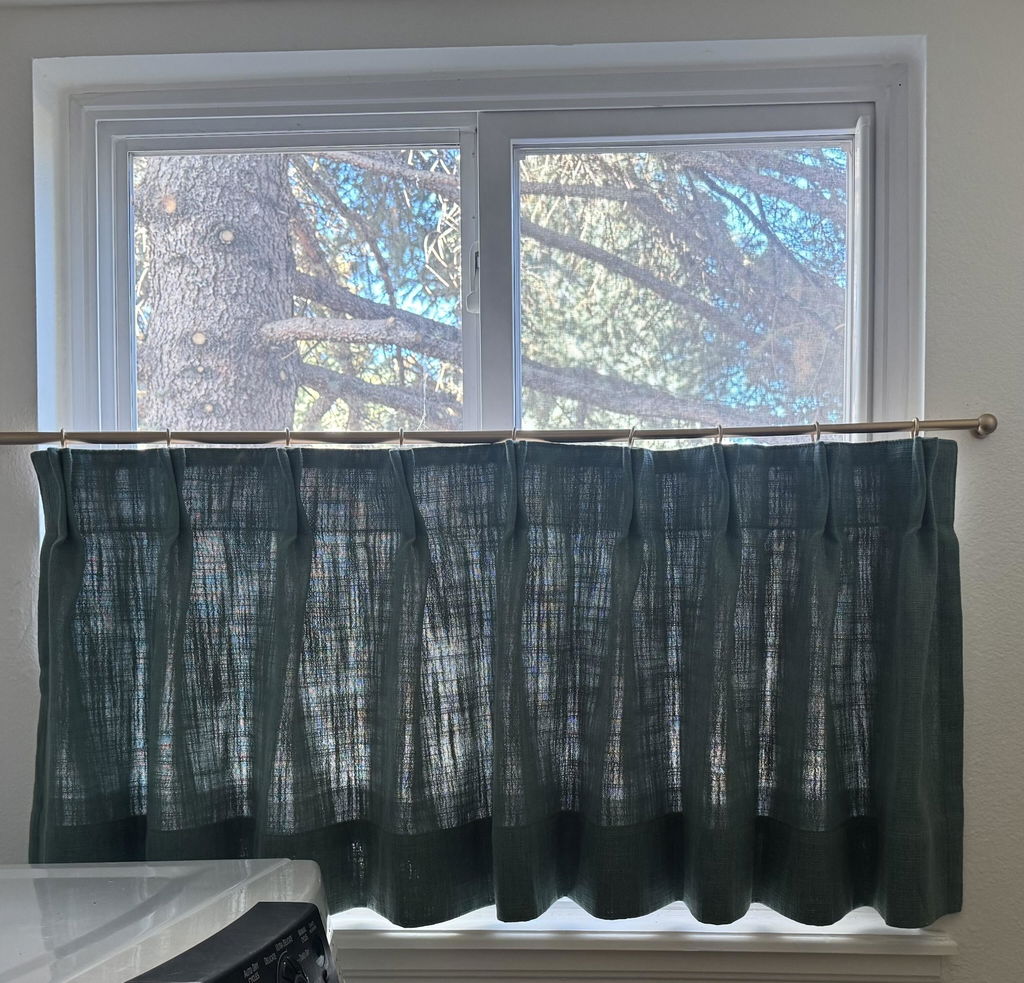
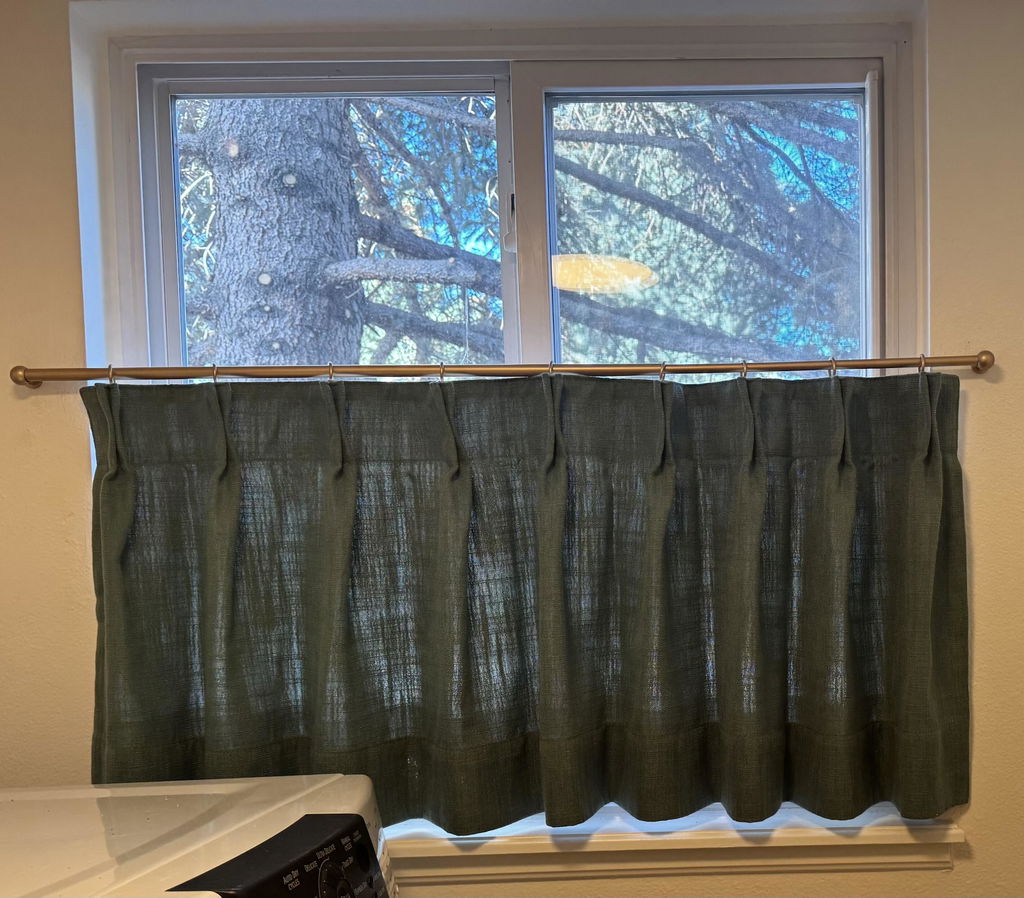
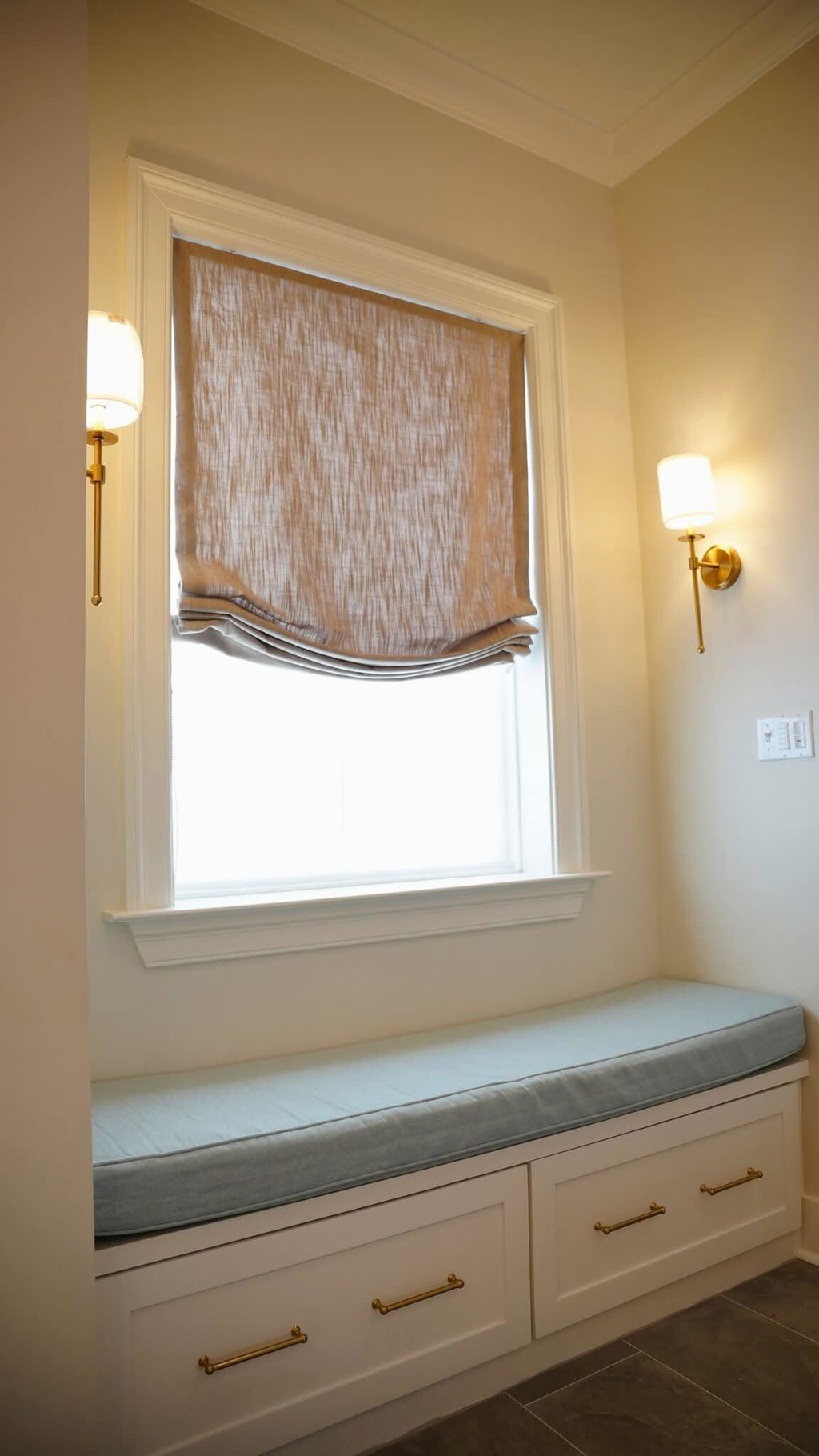
Pictured: Relaxed Roman Shades
Understanding Window Shade Sizes
Window shades designed to cover windows.Window shade sizes refer to the width and height measurements of shades. Since window types and mounting styles vary in size and dimension, and window shade designs come in numerous variations, the sizes used in residential homes won't all be equivalent. Most manufacturers on the market offer both ready-made window shade sizes as well as customized ones based on precise measurements - knowing which option best matches your windows is key for an easy installation experience.
Standard Window Shade Sizes
Standard window shade sizes are designed to fit the most common residential window dimensions:
Common Widths
Standard widths usually range from: 18 inches, 24 inches, 30 inches, 36 inches, 42 inches, 48 inches, 54 inches, 60 inches, 72 inches
Common Heights (Lengths)
Typical lengths include: 48 inches, 60 inches, 72 inches, 84 inches
For most common bedroom, kitchen, and living room windows, standard window shade sizes are usually sufficient; however, customization is more reliable for floor-to-ceiling doors, extra-wide windows, bay windows or irregularly shaped windows.
Tips: Even the common standard sizes listed above can be customized to your window.
When to Choose Custom Window Shade Sizes
Custom window shade sizes are ideal when:
-
Your window dimensions fall outside standard ranges
-
Windows are irregularly shaped
-
You want precise light-blocking or insulation
-
You’re investing in premium materials or smart shades
Custom window shades offer a tailored fit and often come with better warranties and material options.
Tips: TWOPAGES window shades offer many more customization options beyond size; also allow you to add your own personal touches to your window treatments through shade style, fabric type, color choice, lift-type choice, mount-type choice, lining type selection, and trim border type choice. With these customizable options, you will be able to create window coverings that suit the needs, wants or wishes of you and your family.

How to Measure Window Shade Sizes Correctly
Accurate measurement is essential when choosing window shade sizes. A small error can result in gaps, uneven coverage, or shades that won’t mount properly.
How To Measure Shades & Blinds Inside Mount
Inside Mount Measurements
An inside mount fits within the window frame for a sleek, built-in look.
-
Measure width at the top, middle, and bottom.
-
Use the smallest width.
-
Measure height on the left, center, and right.
-
Use the largest height.
Note: Ensure the window frame depth meets the manufacturer’s minimum requirement.
How To Measure Shades & Blinds Outside Mount
Outside Mount Measurements
An outside mount covers the window frame and extends beyond it.
-
Measure the window’s full width.
-
Add 2–4 inches on each side for better light control.
-
Measure height and add extra coverage at the top and bottom.
For the full measuring instructions, use the TWOPAGES measuring guide here: Shade Measuring Instruction.
Window Shade Sizes by Window Type
Different windows need different sizing approaches:
-
Standard single/double-hung windows: Usually fit standard widths (24–72") and standard lengths (48–72").
-
Large/picture windows: May need extra-wide or split shades (one headrail that spans or multiple panels) — reinforced rollers and proper hardware are important.
-
Bay & bow windows: Measure each section individually; consider individual shades per panel or a custom solution.
-
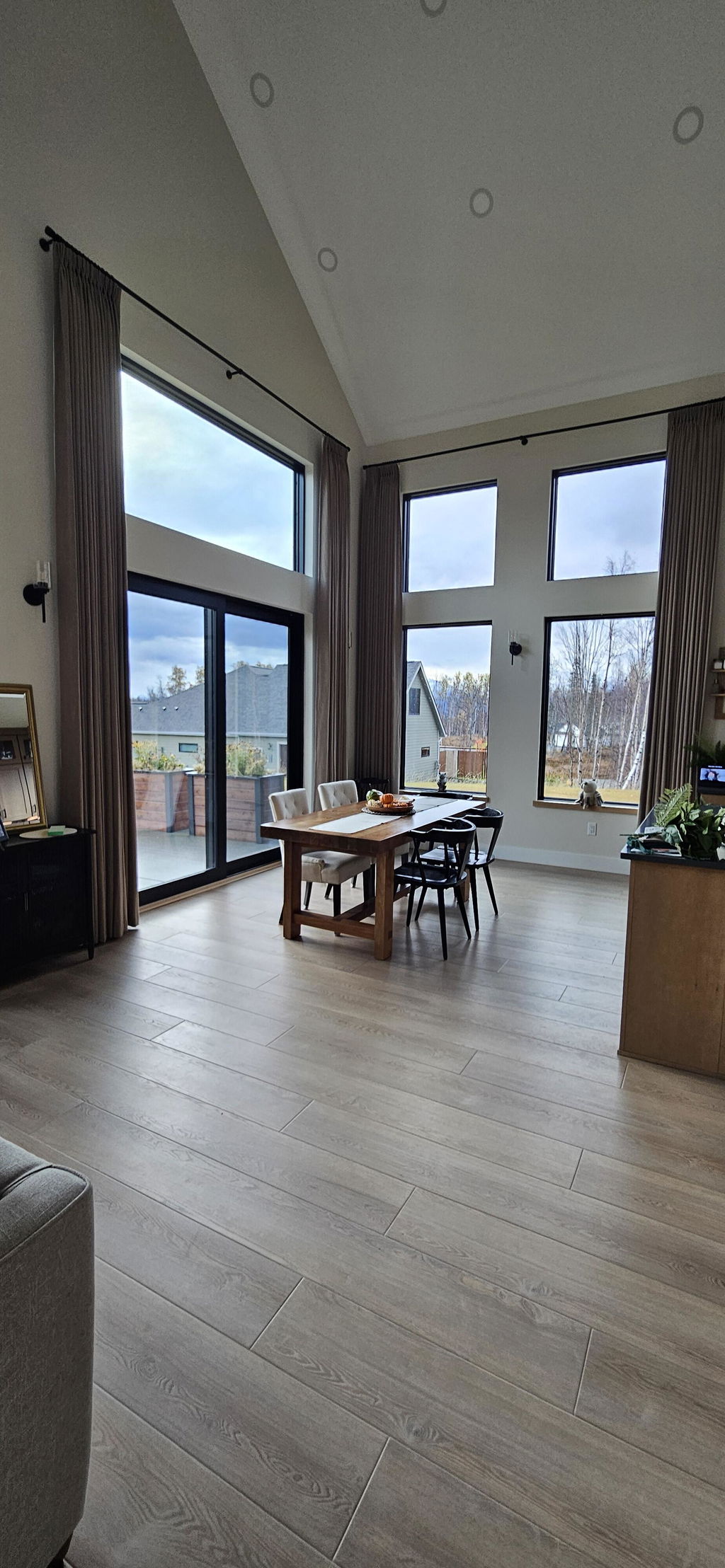
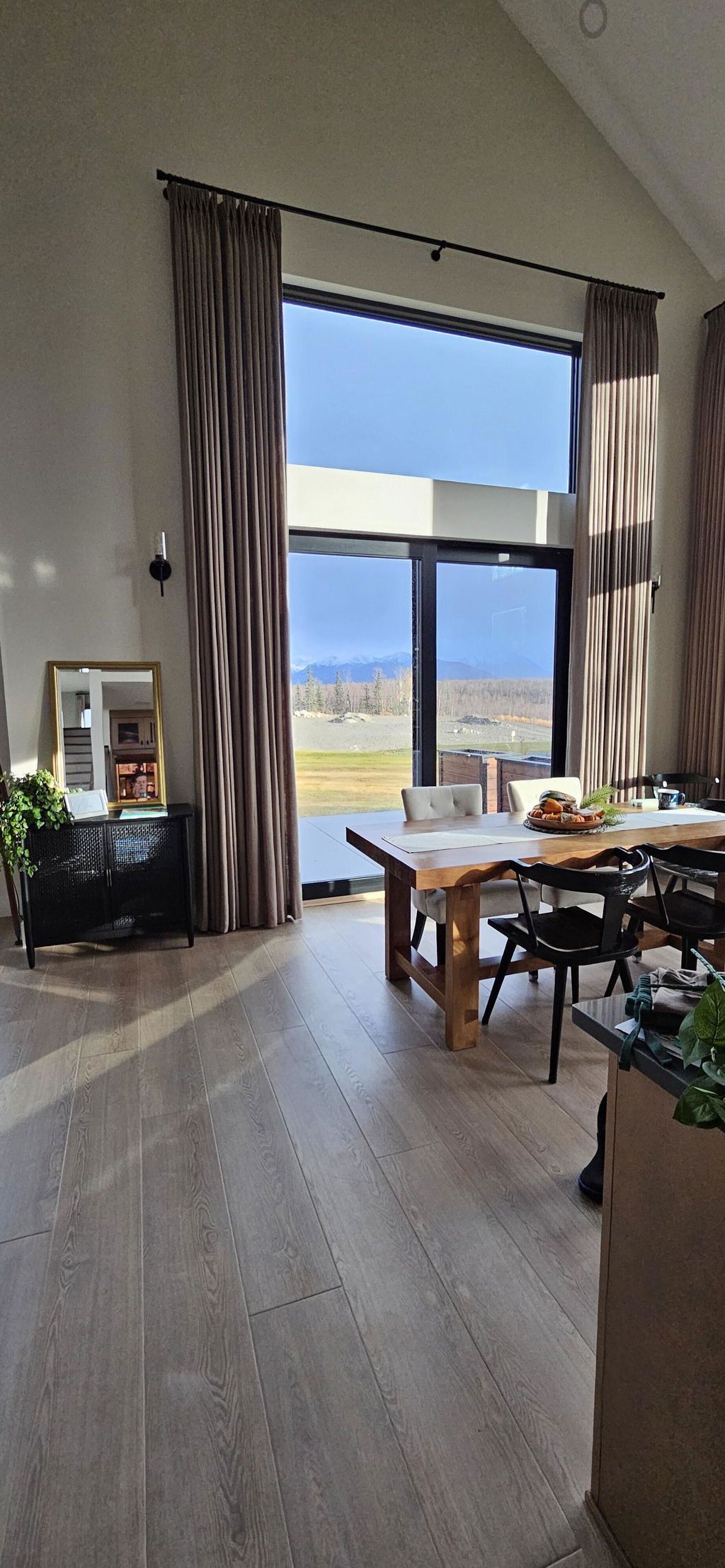
Sliding glass doors / patio doors: Vertical shades or panel-track systems, commonly 78–96" tall (or taller).
-
Small or narrow windows: Choose slim-profile shades or narrow-ready sizes to avoid bulky hardware.
Popular Types of Shades Considerations
Each shade style has unique sizing factors:
-
Roller Shades: Minimal depth, wide size availability
-
Cellular (Honeycomb) Shades: Excellent insulation; precise sizing needed
-
Roman Shades: Fabric stacks require extra height allowance
-
Vertical Shades: Best for large windows and doors
-
Solar Shades: Must be sized carefully to control glare without blocking views
-
Bamboo Shades: Allow extra width for slat overlap and sufficient depth for mounting brackets, and account for irregularities in material thickness. For a quick overview and selection guide, see: Select Bamboo Shade Guide.
For detailed product specs, consult manufacturer guides such as those from reputable brands of TWOPAGES.

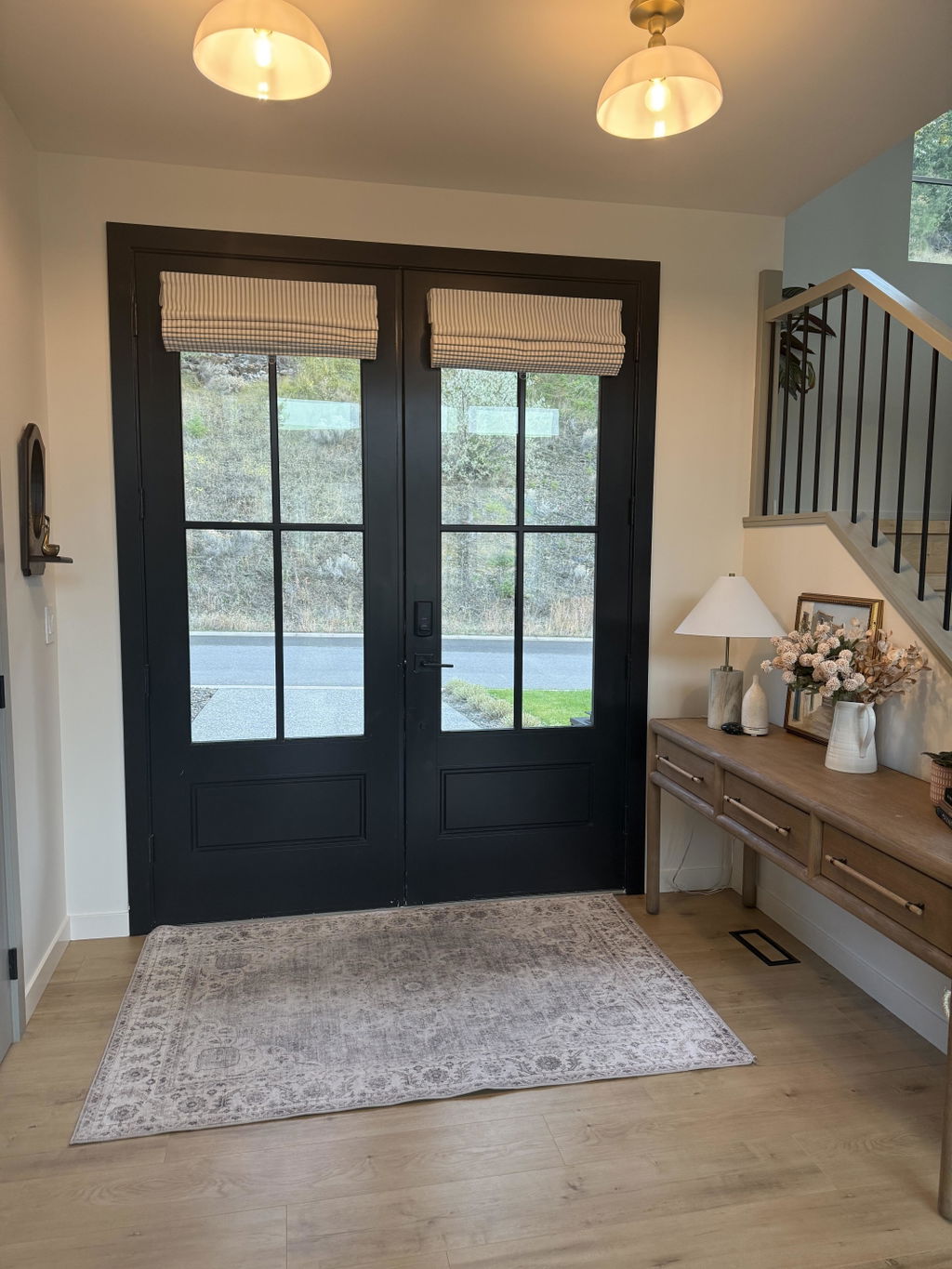
Pictured: Custom Relaxed Roman Shades - Liz 1908-2. cr:@erikabermudezhome
Common Mistakes When Choosing Window Shade Sizes
Avoid these frequent errors:
-
Measuring only once instead of multiple points
-
Ignoring mounting depth requirements
-
Ordering exact window width for inside mounts without deductions
-
Assuming all windows in one room are identical
Taking your time with measurements can prevent costly returns.
Choosing the Right Window Shade Sizes
Window shade sizes are a small detail that dramatically affects performance and look. Spend a little time on measurement, factor in mounting style and shade type, and you’ll avoid returns and get a polished result.


Leave a comment