
Curtain Sizes Guide
Curtain sizes play an integral part in home decor that many don't fully realize. Curtain sizes affect lighting, mood, symmetry and overall harmony of any space they enter; choosing the wrong curtain size could throw off an otherwise well-designed room's balance; choosing just the right size is where magic happens!
NAVIGATION
- Why Curtain Sizes Matter for Home Décor
- Measuring Your Windows Correctly
- Standard Curtain Lengths
- Choosing the Right Length Based on Room Type
- Popular Curtain Sizes for Different Window Types
- Style-Based Curtain Size Recommendations
- How to Customize Curtain Sizes for Non-Standard Windows
- Custom vs Ready-Made: When to Choose
- Common Mistakes about Curtain Sizes
- Conversion & Metric Equivalents
This guide breaks down everything you need to know—from standard measurements to specialty windows for creating an elegant home decor without stress.
Why Curtain Sizes Matter for Home Décor
Curtain size influences both function and style. Properly fitted curtains frame the window, enhance daylight, bring softness and volume, and create a sense of greater height or width — all of which help a room feel thoughtfully designed and welcoming.
Measuring Your Windows Correctly
Measuring correctly is the foundation of getting the perfect fit. Here’s a simple breakdown. For a step-by-step guide, see our Drapery Measuring Instruction.
Width Measurements Explained
Always measure the curtain rod—not the window frame.
To get the perfect fullness:
| Curtain Style | Recommended Fullness |
|---|---|
| Sheers | 2× rod width |
| Standard curtains | 1.5× to 2× rod width |
| Blackout panels | 1.5× rod width |

Height Measurements Explained
Where you place the rod determines the length you need.
Common curtain lengths:
-
Sill length: Ends at the window sill
-
Apron length: Ends 4–6 inches below the sill
-
Floor length: Ends right above the floor
-
Sweep / Puddle length: Extending 1-3 inches to the floor creates a softly curved "Sweep" effect; extending it 6-12 inches to the floor creates a more dramatic, luxurious style.
Once you know which length category fits your window, it helps to see how those lengths line up with common off-the-shelf sizing.
Standard Curtain Lengths
Ready-made curtains in the U.S. are commonly available in lengths such as 63", 84", 95" / 96", 108", and 120". Exact sizing varies by brand, with some manufacturers offering 95" panels and others using 96".
These standard sizes provide a useful starting point when comparing curtain lengths, but the best fit ultimately depends on your window height, ceiling height, curtain rod placement, hanging style, and the finished look you want.
| Length | Best For |
|---|---|
| 63" | Smaller or shorter windows, including windows where floor-length curtains are impractical. Often used in kitchens and bathrooms. |
| 84" | A common ready-made length for standard-height rooms, especially when the curtain rod is mounted closer to the window frame. |
| 95" / 96" | Taller windows or higher rod placement when 84" curtains would fall too short. |
| 108" | Higher ceilings, taller windows, or a longer floor-length drape. |
| 120" | Very tall windows, high ceilings, ceiling-mounted drapery, or styles that require extra length or pooling at the floor. |
These common lengths cover many residential window setups, but they should be treated as reference points rather than fixed rules. The sections below help you narrow down the right length for your specific room and window type.

Choosing the Right Length Based on Room Type
The rod placement and the function of each room determine the ideal curtain length. Here are quick, practical recommendations:
-
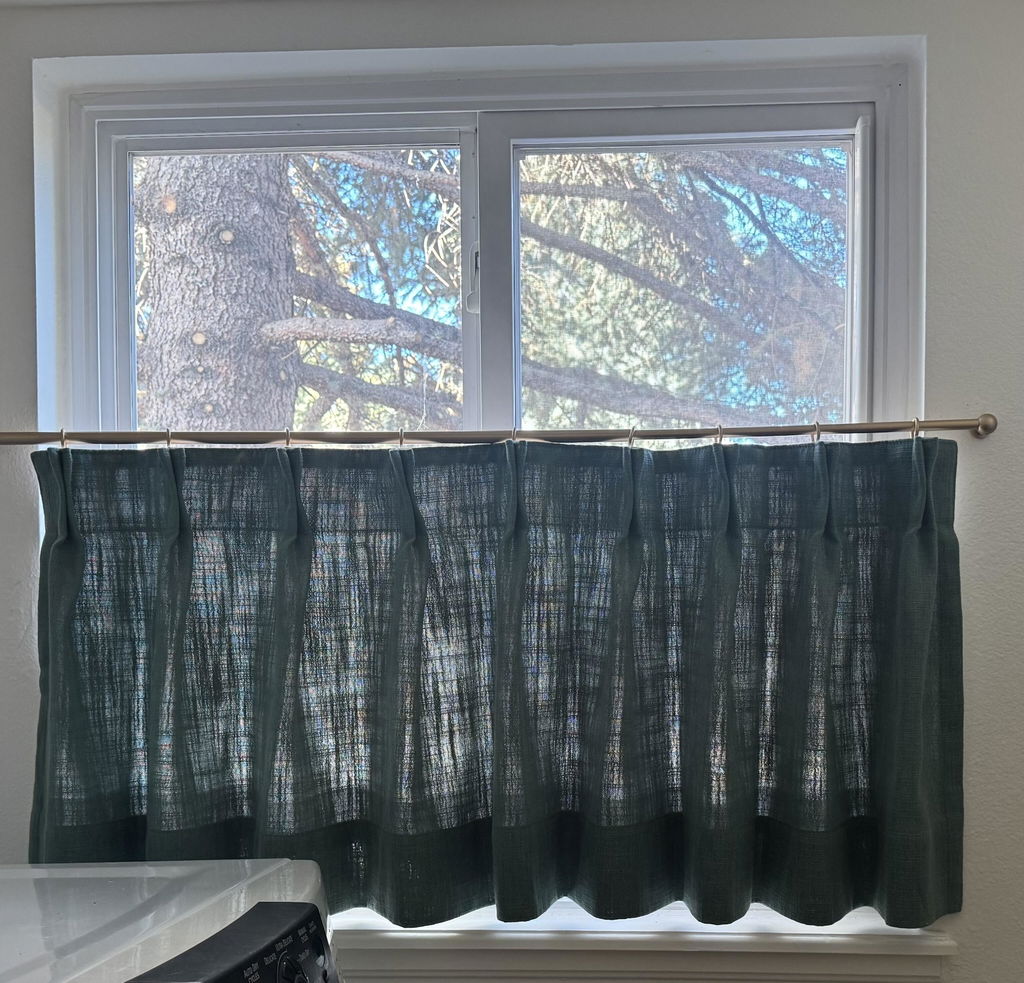
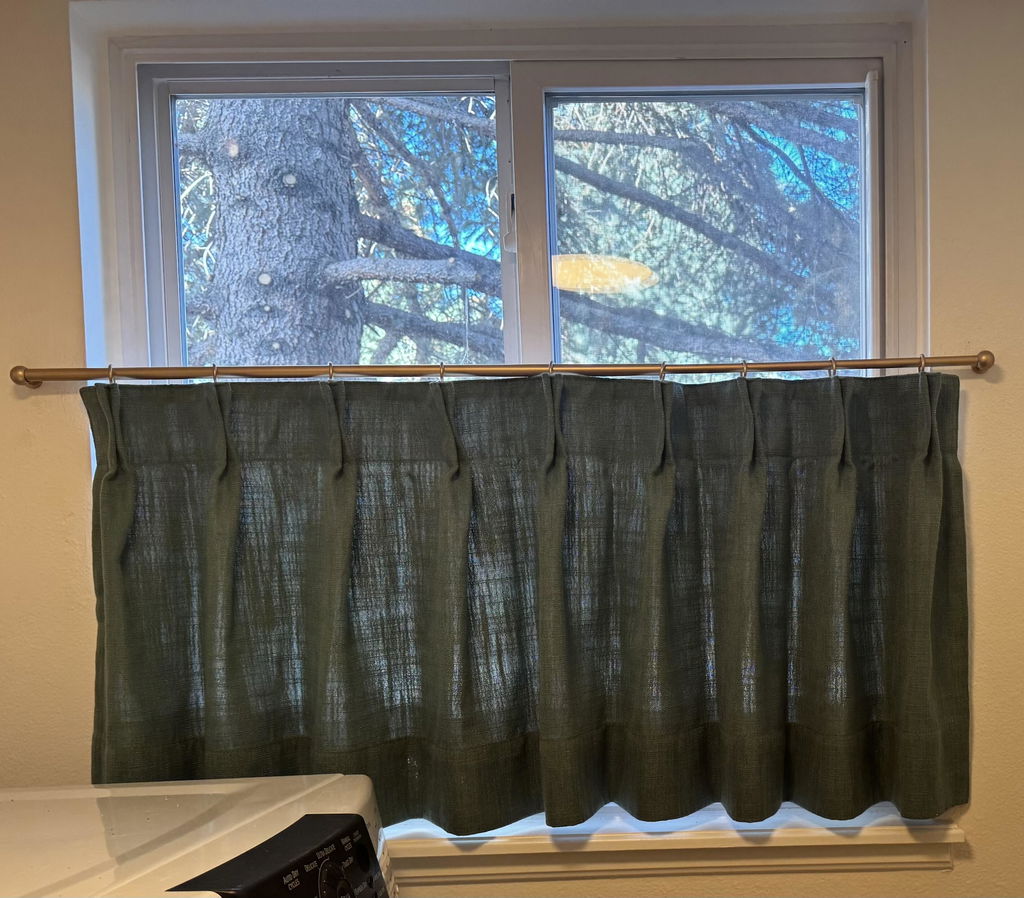
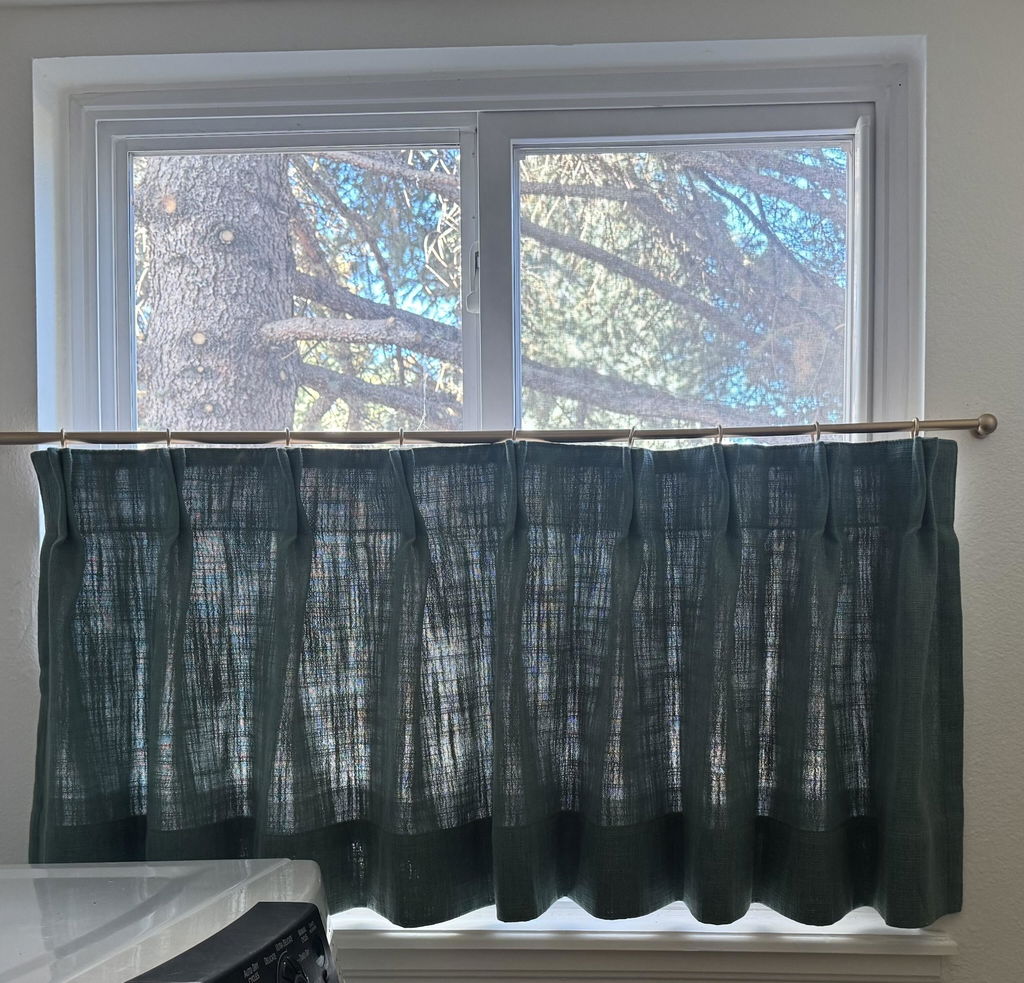
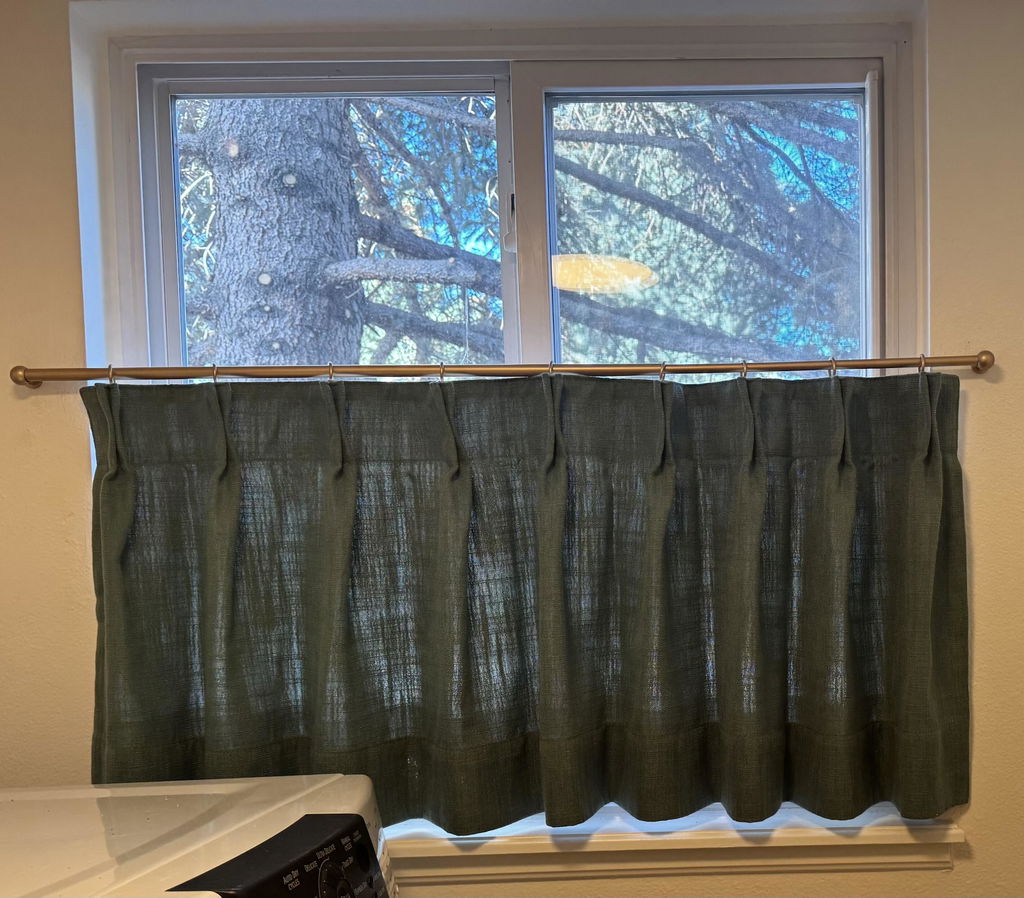
Kitchen: Sill length — keeps fabric away from counters and appliances.
-
Living room: Floor length or a short puddle for a refined, relaxed look.
-
Bedroom: Floor length for softness and a restful atmosphere.
-
Office: Apron or floor length for a professional yet cozy feel.
-
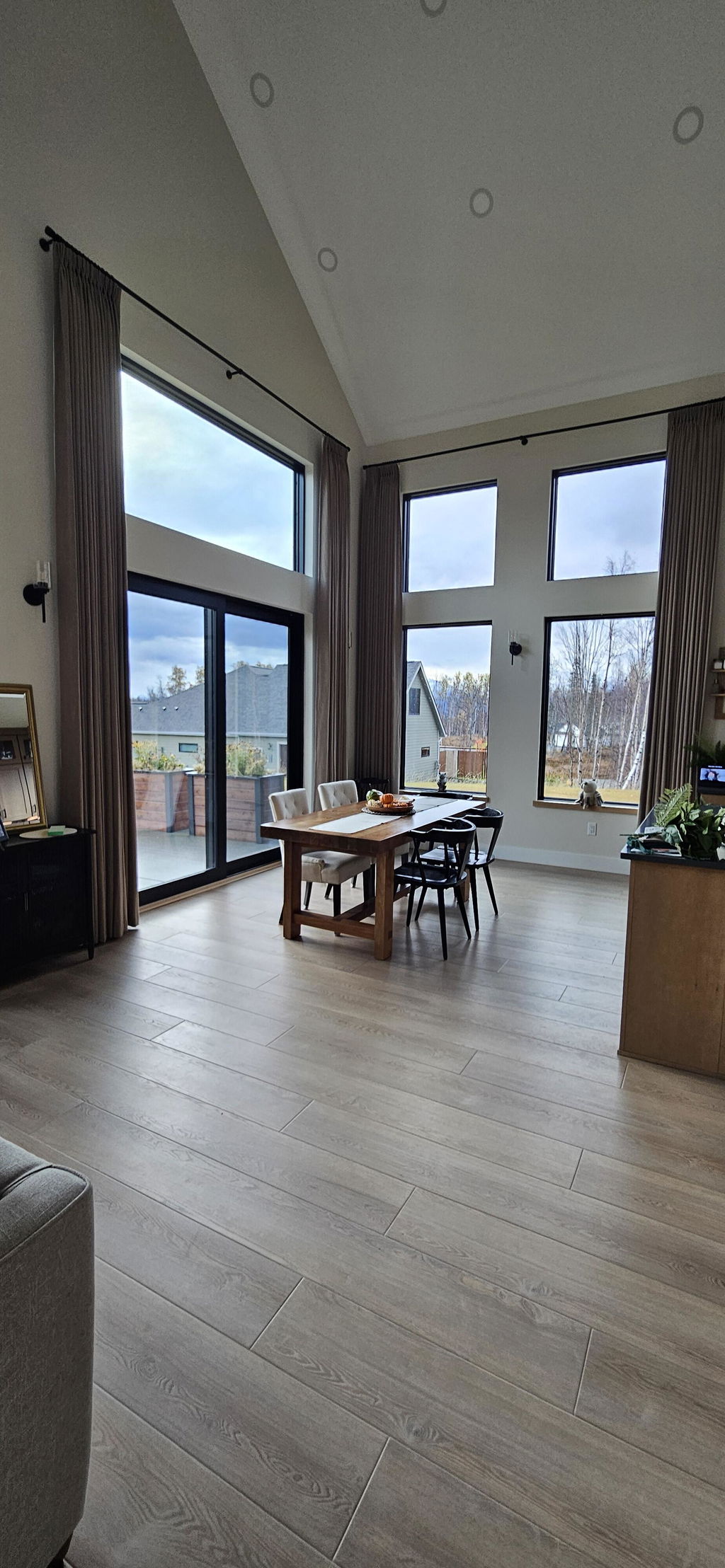
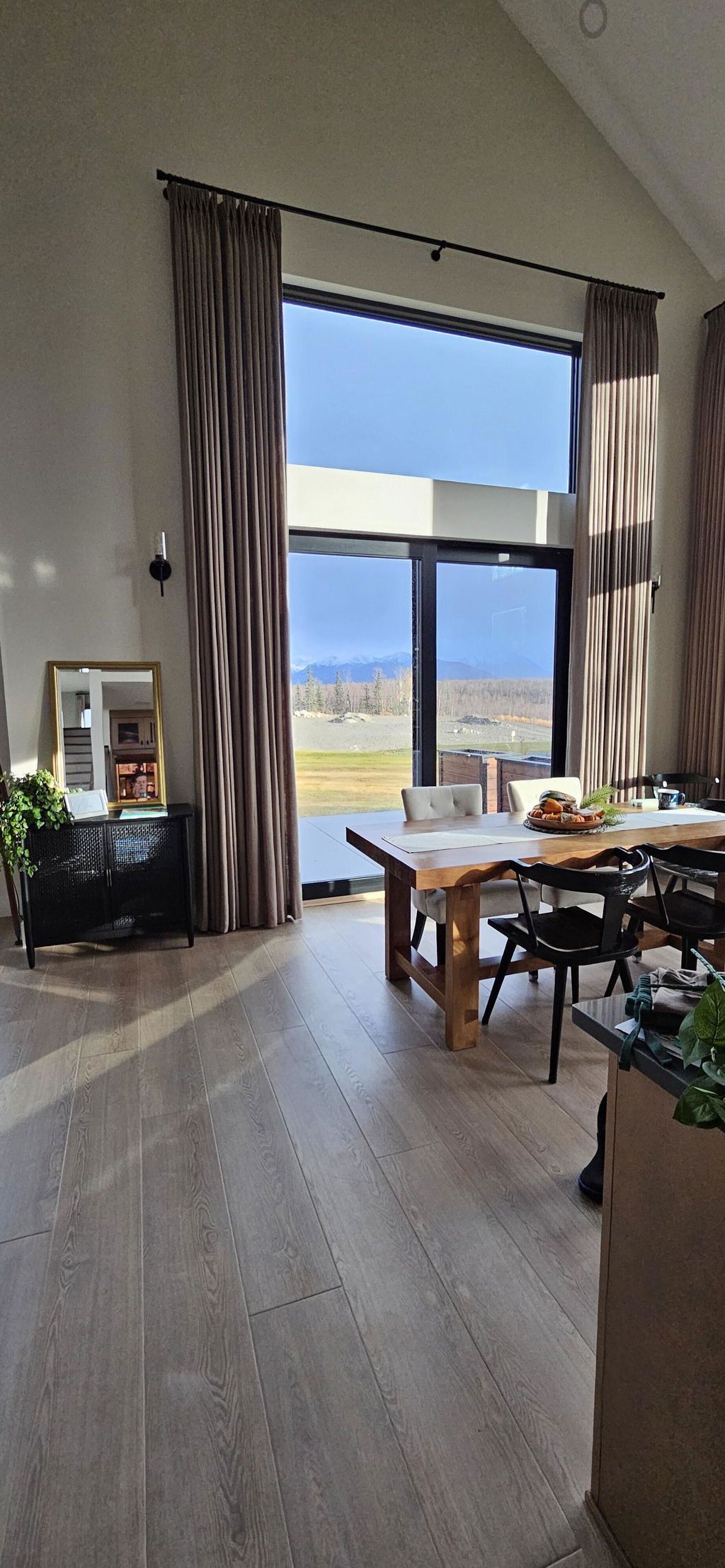
High ceilings: For rooms with taller ceilings, mount the rod 6–10 inches above the window frame to visually raise the ceiling line. Use longer panels — often 108" or 120" — to maintain balanced proportions and avoid a top-heavy look.

Popular Curtain Sizes for Different Window Types
Below are commonly used curtain dimensions grouped by window type to make selection quick and simple. Use them as starting points—always measure your window and consider your desired fullness, rod placement, and finishing options when choosing a size.
Curtain Sizes for Small Windows
Common dimensions:
-
45" × 63"
-
45" × 72"
These work best in kitchens, bathrooms, laundry rooms, and small bedrooms.
Curtain Sizes for Medium Windows
Medium windows are the most common. Popular sizes include:
-
52" × 84"
-
52" × 96"
These offer a clean, full look without dragging on the floor.
Curtain Sizes for Large Windows and Sliding Doors
Large windows require extended widths and longer drops:
-
100" × 108"
-
120" × 108"
Sliding doors may require:
-
95" to 108" in height
-
100" to 150" combined panel width
Tips: Even the common, off-the-shelf sizes above can be tailored to your room; don't assume customization only applies to unusual windows. Choose custom finishing options as well as different curtain headings (pinch pleat, goblet pleats, pencil pleats, wave/hidden tape pleats and grommet tab top etc), curtain linings (blackout thermal or standard), interlinings as well as fullness ratios or panel counts tailored for specific looks to achieve that custom look bespoke! You can select matching tracks/rods/ hardware while requesting special reinforced edges on sliding doors as needed.
Style-Based Curtain Size Recommendations
Different curtain styles call for different amounts of width and fullness — below are simple sizing rules to help each style look and work its best.
-
Blackout Curtain Sizing Tips: Blackouts work best when wider than the rod to prevent leaks.
-
Sheer Curtain Size Considerations: Sheer curtains need more volume; Choose 2x to 2.3x the rod width for a dreamy, airy look(Just a suggestion. Please choose fullness according to your personal preference).
-
Decorative Curtains & Extra Fullness: For elegant draping, choose panels with extra fullness, especially in living rooms and formal spaces.
Tips regarding the impact of fabric weight on curtain size:
-
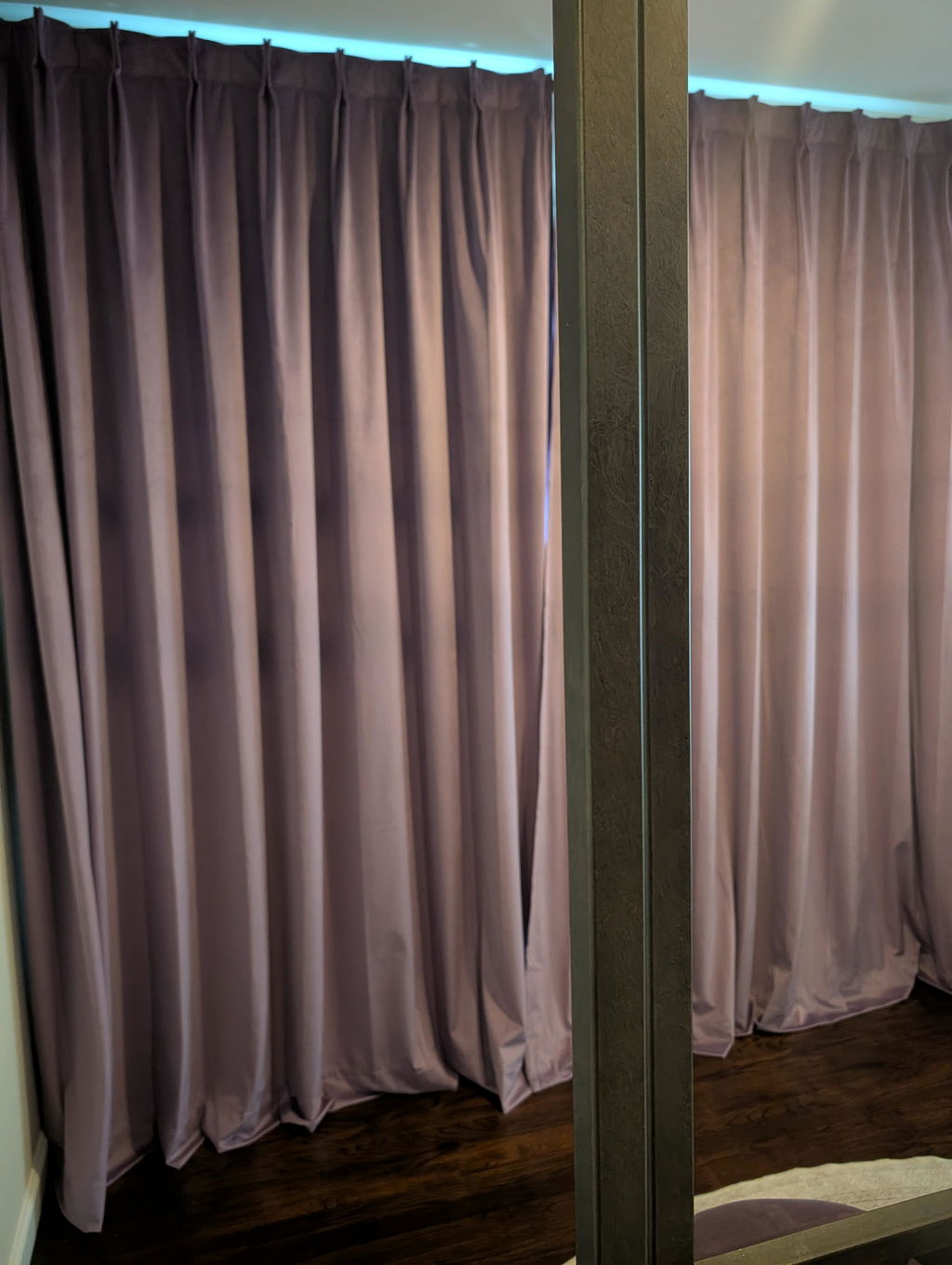
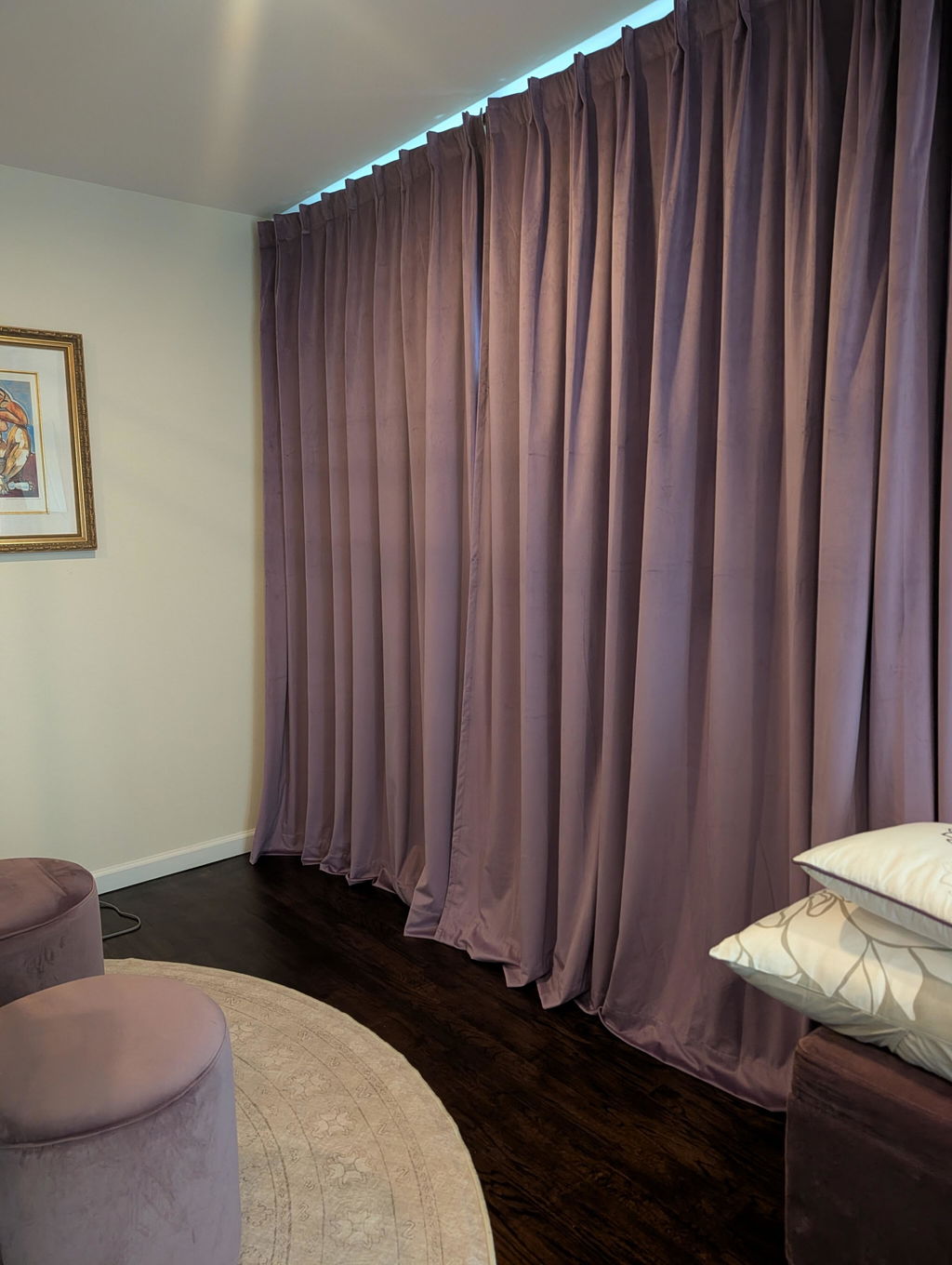
Heavy fabrics like velvet drape differently than lightweight cotton or linen.
-
Lighter fabrics need more fullness (extra fabric width) to achieve substantial folds; otherwise, they appear limp.
-
Heavier fabrics naturally form deeper, visible folds with less fabric width.

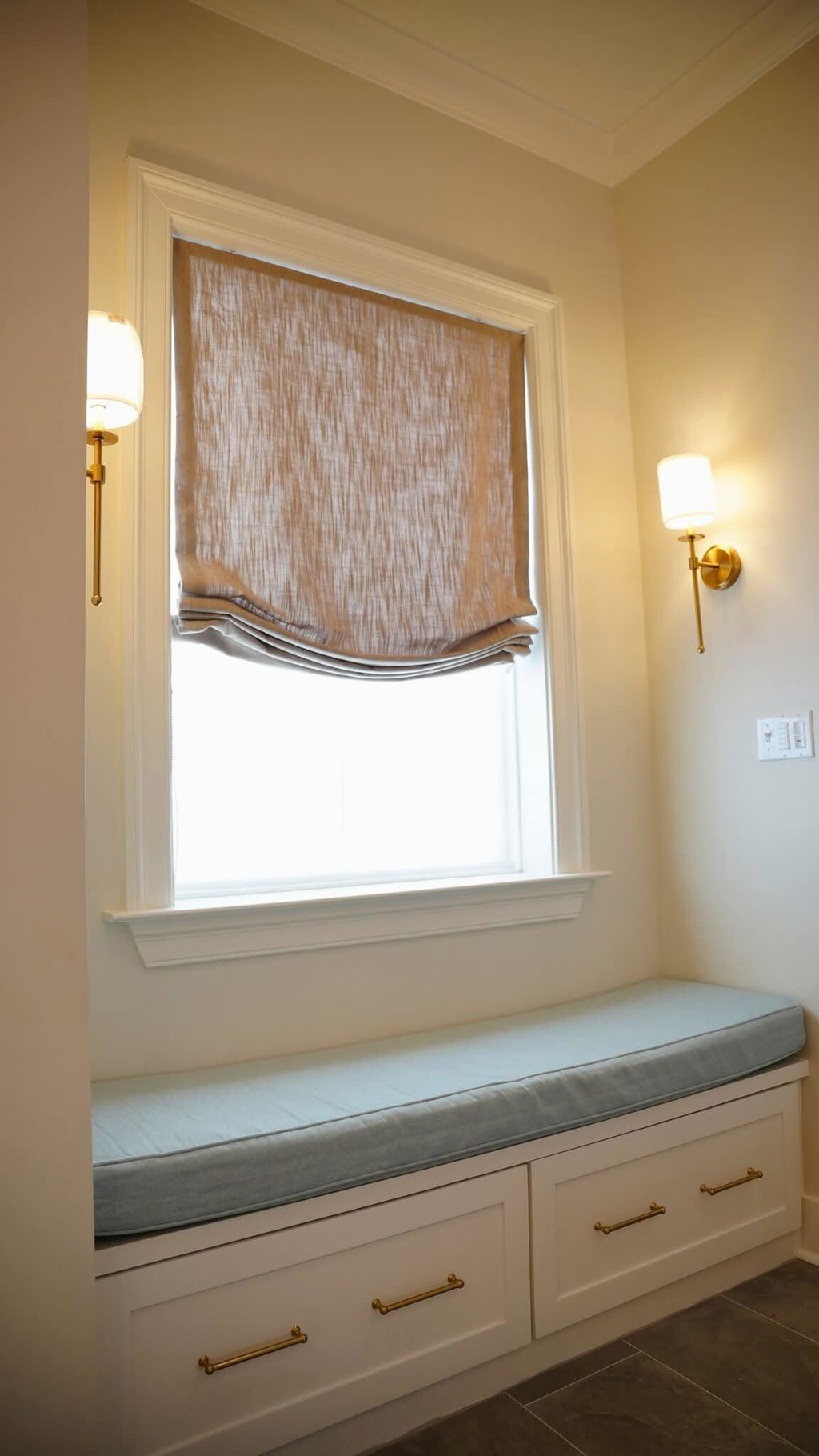
Pictured: Liz Linen Pleated Drapes - Beige White. cr: sedapiazza_design
How to Customize Curtain Sizes for Non-Standard Windows
Arched, bay, and oversized windows often require custom panels.You can:
Measure each section individually and add at least 6–15 inches of width per side for proper coverage.
Not sure where to start? TWOPAGES offers professional custom curtain solutions, covering not only standard custom designs but also comprehensive curtain and track solutions specifically for special window shapes such as arched windows, bay windows, and extra-large windows. We design tailored to your specific window shape, balancing practicality and visual appeal.
Custom vs Ready-Made: When to Choose
Custom curtain sizes are ideal when:
-
Your windows are unusually tall or wide
-
You want a specific aesthetic (pooling, dramatic draping)
-
You’re matching existing décor
-
You prefer tailored perfection
Custom options ensure the best fit but can be pricier.
-
Affordable
-
Widely available
-
Quick to install
-
Offered in many lengths and widths
They suit most standard homes and windows.
Common Mistakes about Curtain Sizes
Choosing the right curtain size seems simple, but a few small mistakes can throw off the whole look of your windows. Here are the most common sizing errors to avoid.
-
Measuring only the glass, not the entire frame
-
Choosing panels too narrow
-
Hanging rods too low. Learn about: How to Hang Curtains.
-
Forgetting about fabric shrinkage (cotton!)
Conversion & Metric Equivalents
Need metric sizes? Use this quick formula: cm = inches × 2.54.
Below are common curtain sizes shown in both inches and centimetres for convenience:
Width x Length (inches) → Width x Length (centimetres)
-
52" × 63" → 132 × 160 cm
-
52" × 84" → 132 × 213 cm
-
52" × 96" → 132 × 244 cm
-
100" × 108" → 254 × 274 cm
Tip: When ordering fabric, round up to the nearest whole centimetre to allow for hems and shrinkage.
Find Your Ideal Curtain Size Without Hassle
Finding your ideal curtain sizes doesn't need to be stressful! Curtain sizing is all about balance: choosing an optimal width and length will enhance lighting levels and visual appeal while creating an ideal atmosphere in any space. We offer professional custom curtains and shades so every window shines brightly!


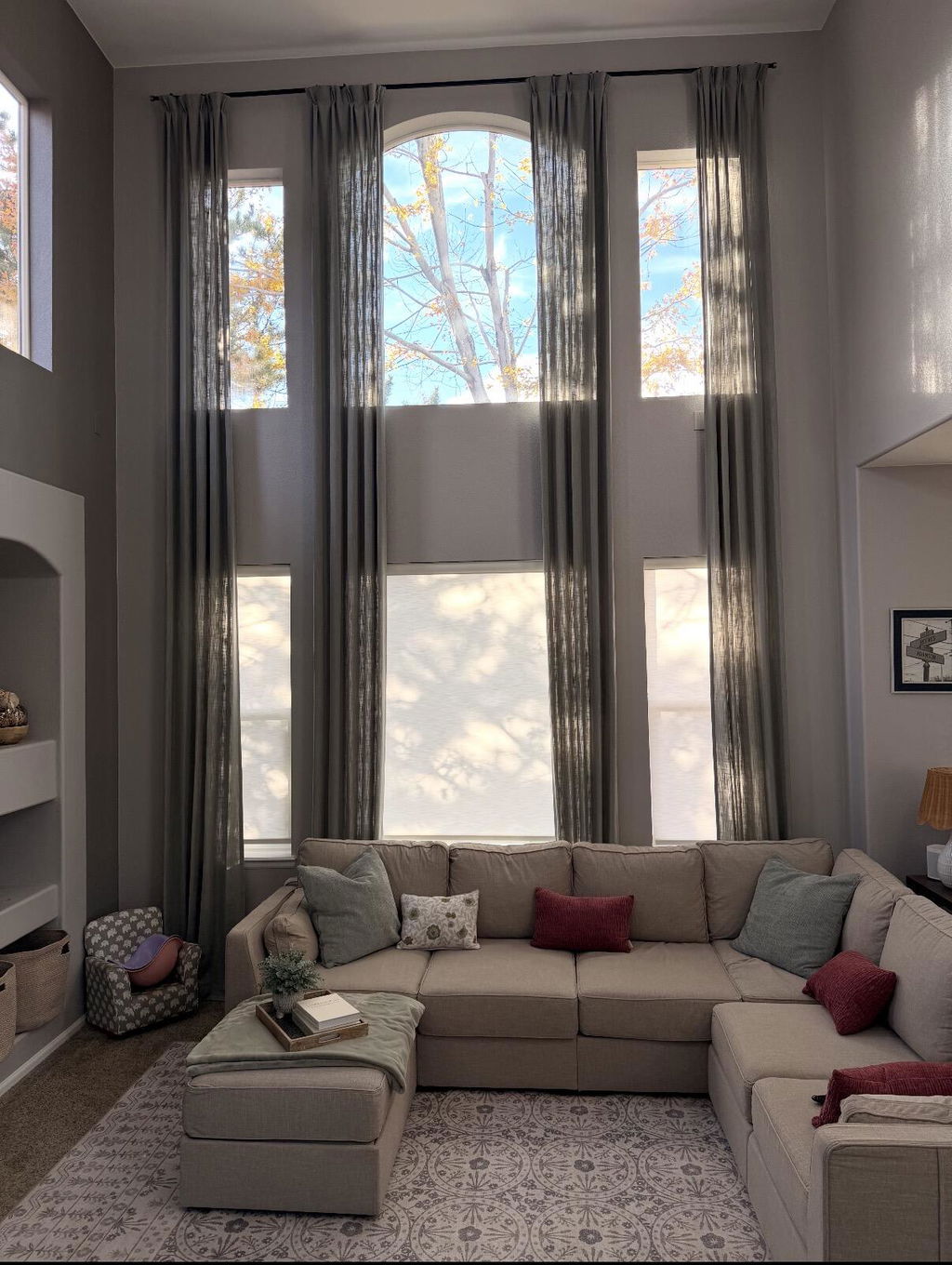
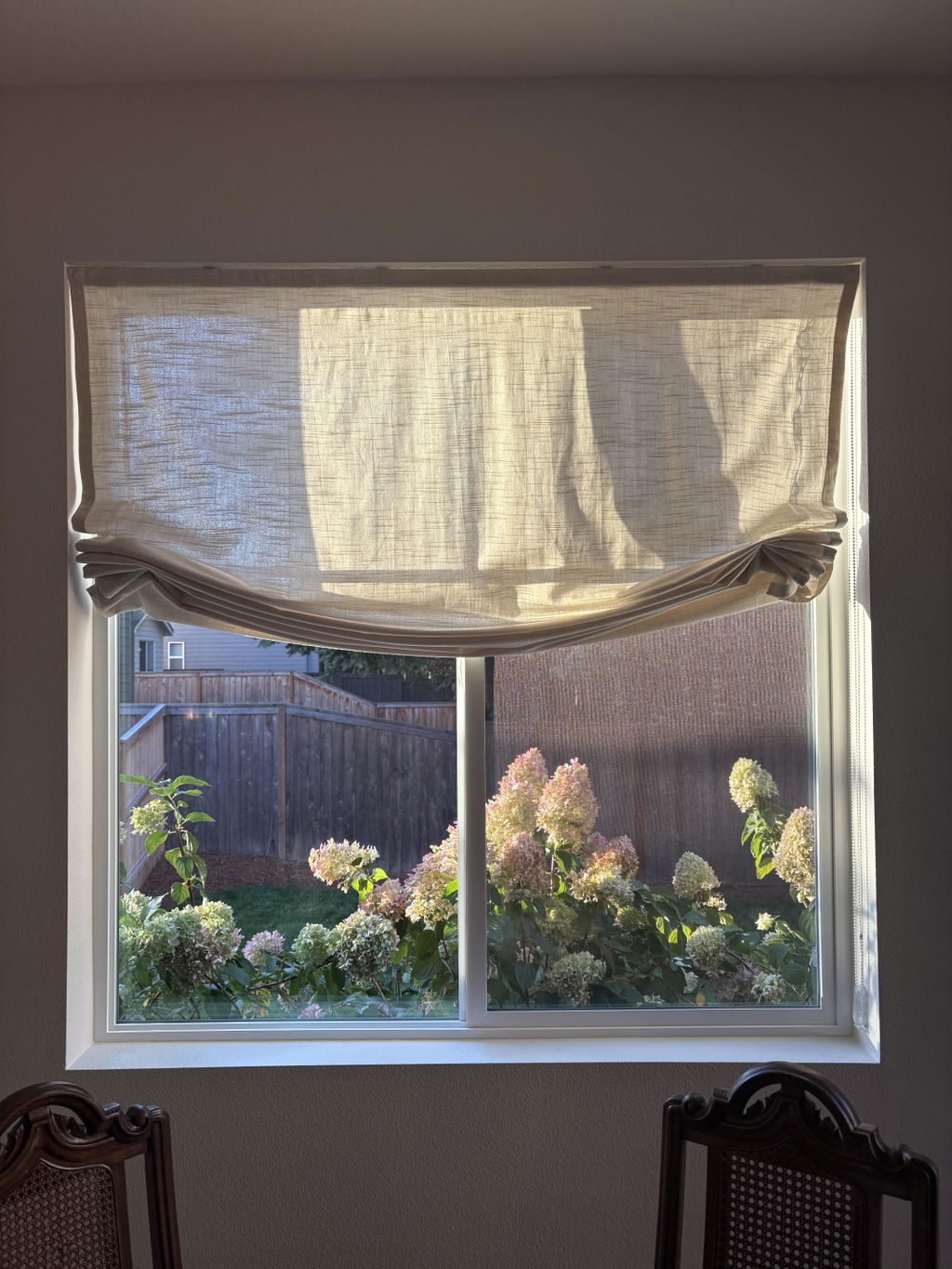
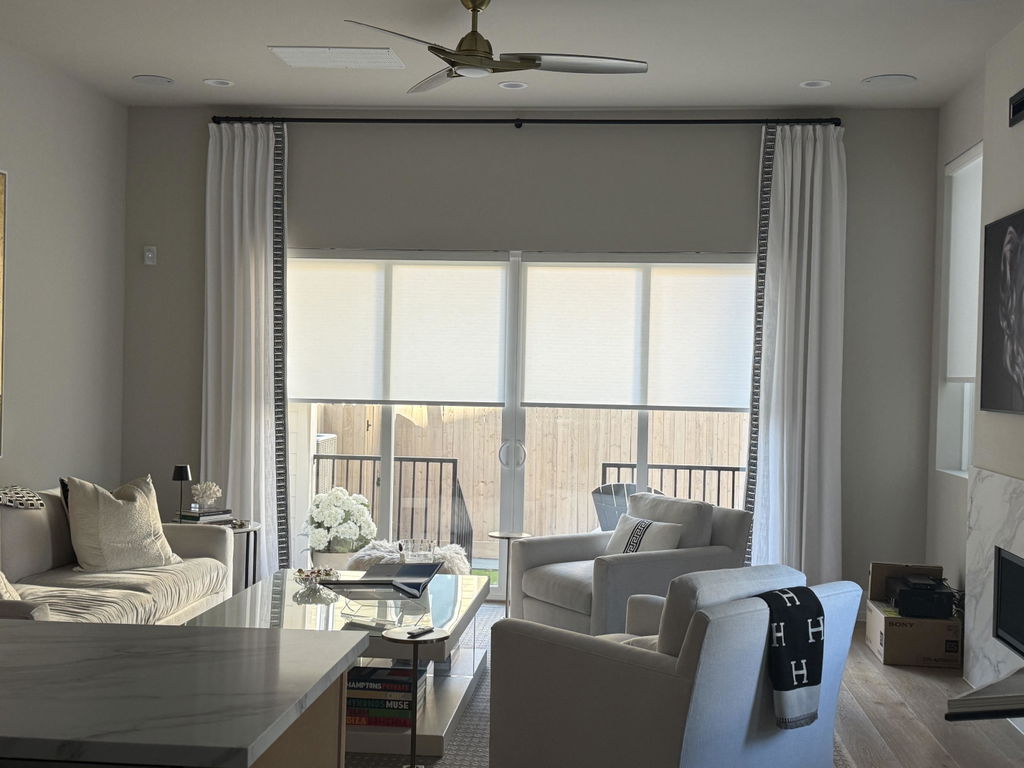
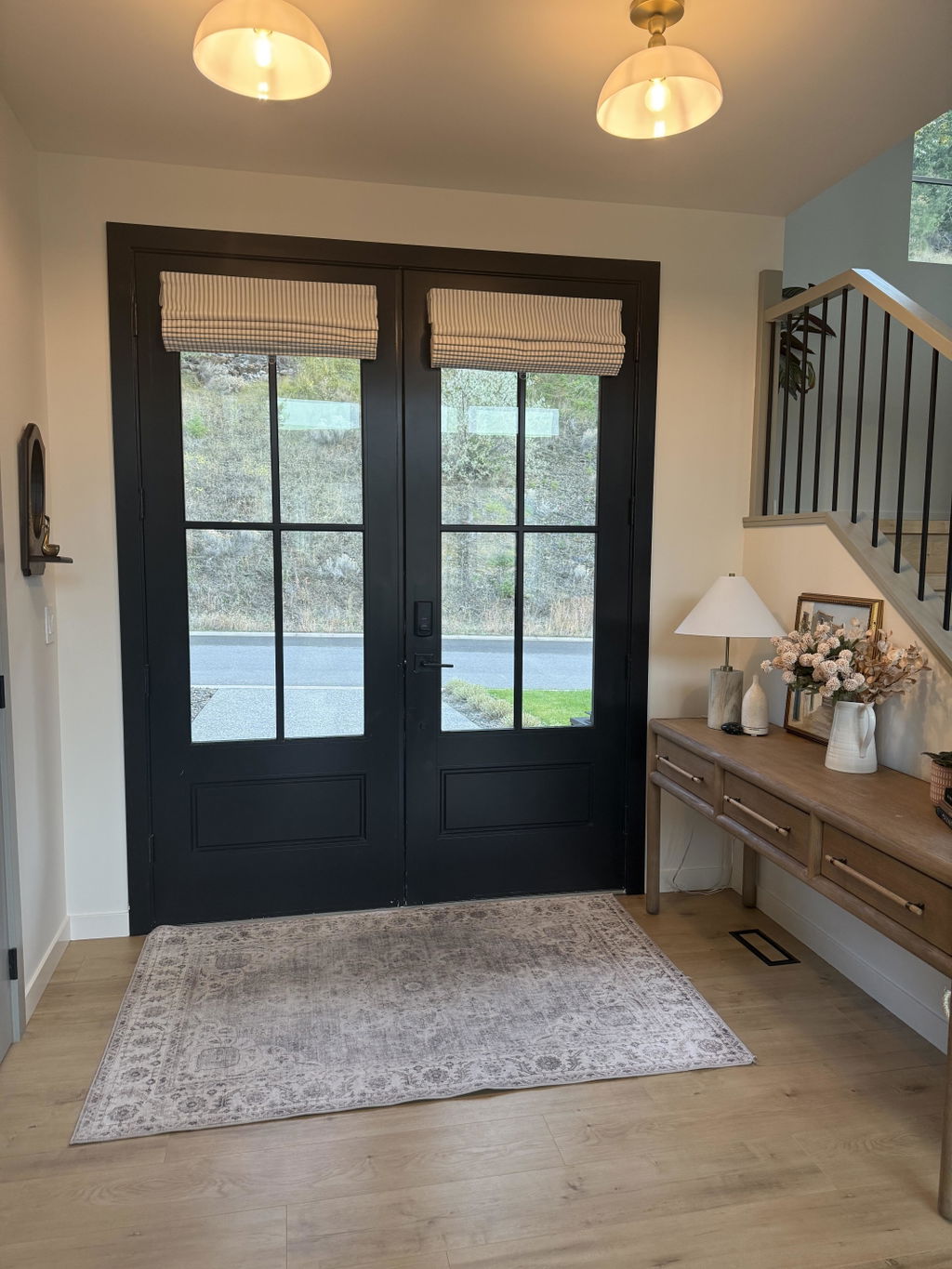
i’m trying to decide the width of curtain i need. i want to hang panels on sides of my windows. These are for looks only. they will never cover the window how do i decide the width of each panel? with curtain rod the window is 3 windows together making the total across 184 inches across
Leave a comment