
Cornice vs Valance vs Swag: Key Differences & How to Choose
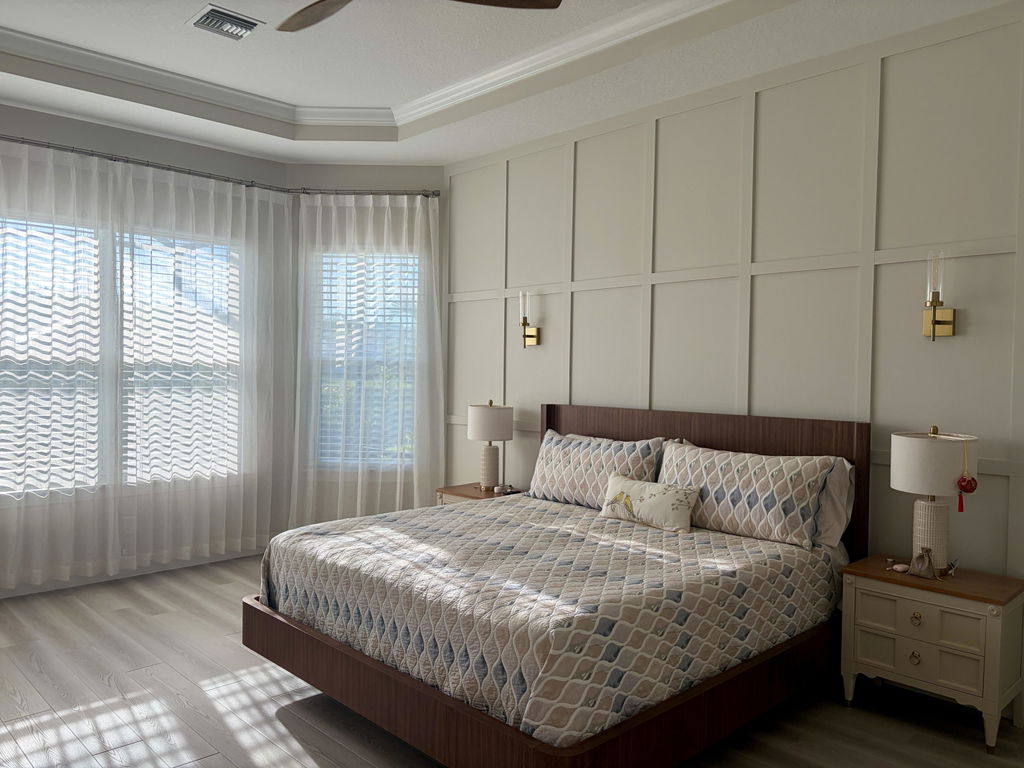
If you’ve ever tried decorating a space, whether it’s in your home or office, you know how challenging finding the perfect window treatment can be. There are so many choices, and each one creates a different feeling. In this article, we’ll take the mystery out of window toppers, decoding the difference between a cornice vs. valance vs. swag. Window dressings don’t have to be complicated; you can have fun decorating and creating a warm and inviting room that’s all your own!

NAVIGATION
What are Cornices?
Cornice window treatments are structured boxes that sit above a window, concealing blinds, shades, and drapery hardware. Although cornices are generally used to hide hardware, that doesn’t mean they have to be boring. You can customize these attractive window toppers into various shapes, including flat, arched, stepped, and decorative stepped styles. They’re beautiful when upholstered in a wide range of fabrics and patterns. Your only limitations are your imagination, making cornices an excellent option for a range of design styles. Let’s take a closer look at the materials and styles commonly used on cornices.

Common Materials & Styles
Upholstered cornices use a rigid board underneath the fabric to create a soft yet structured appearance. The fabric wraps around the structure, creating a clean, tailored edge while allowing you to coordinate the cornice with other textiles in the room.
Upholstered cornices
Upholstered cornices combine a structured board with a fabric-covered finish. Depending on the look you want to create, fabric options can range from natural textures and neutral solids to bolder colors and patterns. The most common fabric options include:
● Silk blends - Formal and sophisticated
● Linen - Textured and refined
● Canvas - Durable and long-lasting
● Polyester/ cotton blends - Durable and casual
● Patterned/ embroidered - Bold and luxurious
Upholstered cornices add warmth, while still creating a tailored accent to the space.

Best Use Cases
Thanks to their polished appearance, cornices are excellent window treatments for hiding drapery hardware and adding architectural structure. They’re perfect for creating a tailored, formal look in bedrooms, dining rooms, and living rooms, or as a clean, modern touch in kitchens and bathrooms. What are a few of the best ways you can use cornices?
● Layering with other window treatments - Use cornices as a top layer for sheer curtains, roman shades, drapery, blinds, and curtains to add depth and texture.
● Framing and adding visual interest - Use as an architectural detail to add height and drama.
● Controlling light - Pair cornices with room-darkening drapes or shades to control light in any room.
Cornices are a beautiful and timeless way to add interest and sophistication to any space, with virtually endless customization options to match your unique aesthetic.
Pros & Cons
As with any type of window treatment, there’s pros and cons for choosing cornices for your home or office.
Pros
● Adds height
● Conceals hardware
● Improves energy efficiency
● Customizable
Cons
● Can be challenging to clean
● Higher cost than some window treatments
● Harder installation

What Are Valances?
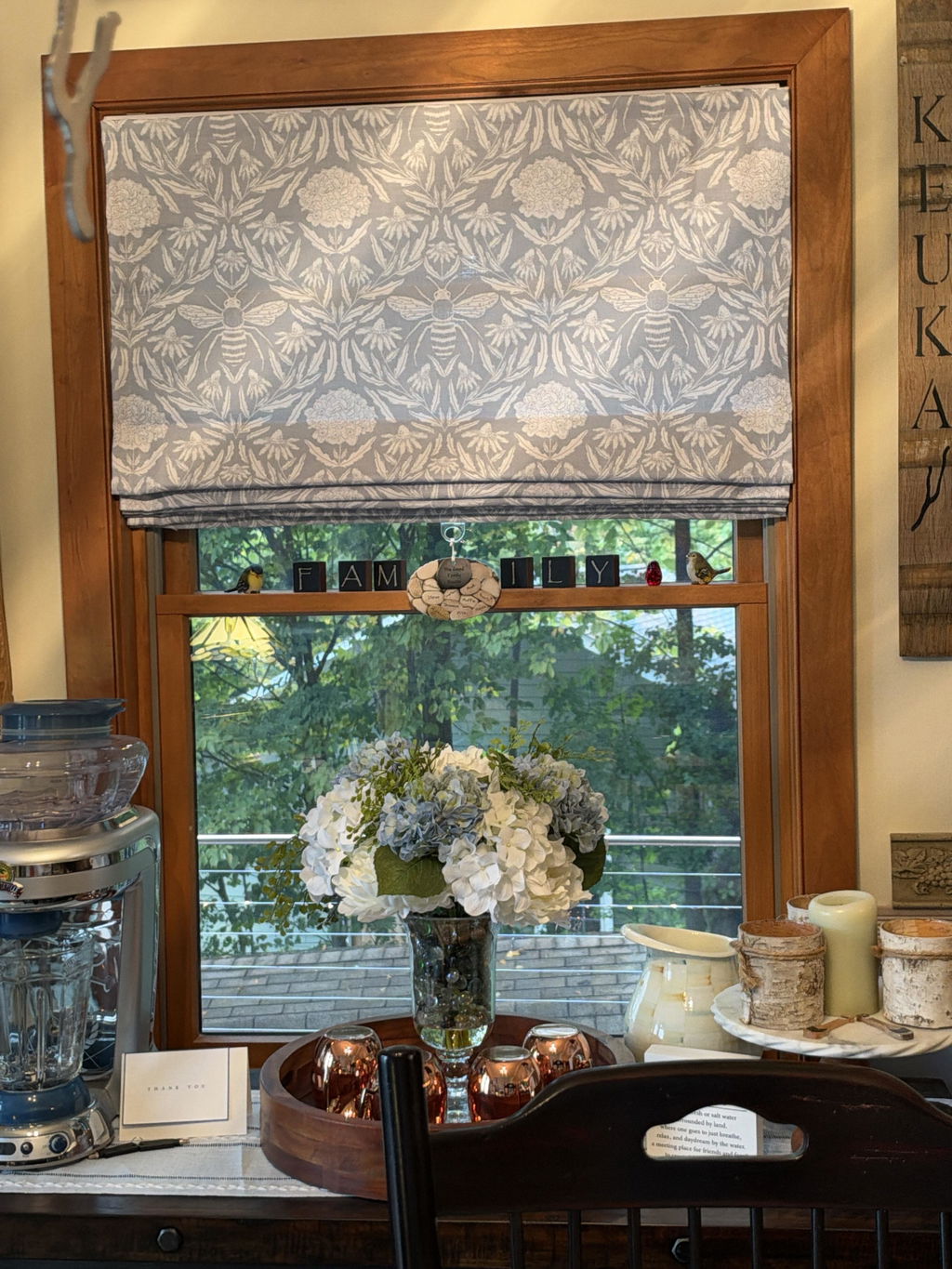
Valances are short, decorative pieces of fabric that hang from the top of a window. These window dressings are a more simplistic design, but are perfect for adding style, texture, and color to a room. You can use them alone or layer them with drapes or blinds for a finished look. Unlike the rigid face of a cornice, a valance relies more on fabric shape, pleats, curves, and folds for its overall appearance. Many valance styles are also board-mounted, helping the fabric maintain its intended shape.
Common Materials & Styles
Most valances are crafted from light to midweight fabric, like polyester, linen, cotton, and their blends. You can also choose more luxurious fabrics like jacquard, velvet, and silk to add visual interest or sheer options like voile for a light, airy feel. Valances come in a range of styles, including Tailored, Center Pleated, Box Pleat, Shaped, Scalloped, Sheffield, Flat Roman, and Hobbled Roman. When layering a valance over curtains, its mounting position should account for the curtain rod and hardware underneath so everything is properly concealed. For exact placement and return depth, see our Valances & Cornices Measuring Instruction.
Best Use Cases
Valances are a great all-purpose window treatment. They’re the perfect way to hide hardware, add instant decorative style, and soften the look of windows in any room. Since they only cover the top of the window, natural light can still come in through the rest of the window, maintaining a bright, airy feeling. What are some of the best ways you can use valances to enhance your space?
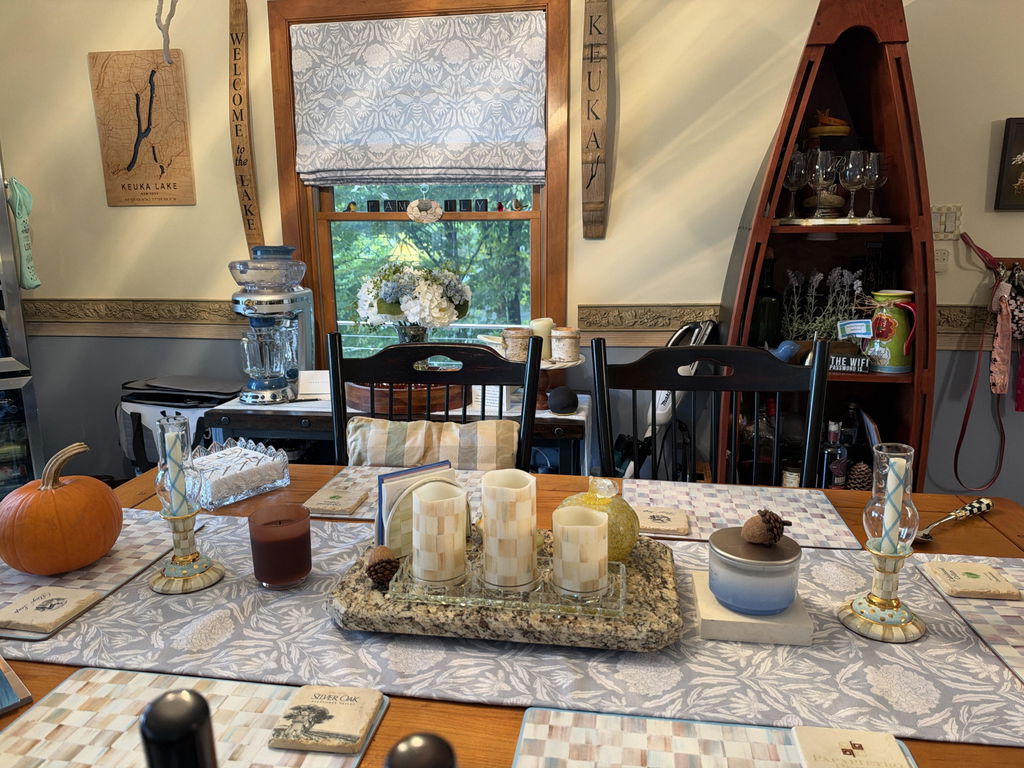
● Coordinate multiple spaces in open-plan layouts by using the same valence fabric in adjoining rooms to create a cohesive, consistent flow
● Place over kitchen windows in high-traffic areas to add style without cluttering countertops or getting in the way
● Layer with shades or blinds to add texture, color, and a high-end appearance
● Frame windows in small spaces to add elegance without overcrowding
Valances are a beautiful, cost-efficient window treatment that works in almost any room, adding color, elegance, and a touch of personality that makes your space feel like your own.
Pros & Cons
While valances are by far one of the most popular types of window dressings, it’s important to understand their pros and cons before choosing to add them to your home or office.
Pros
● Soften and polish harsh window lines while making them look larger
● Highly versatile and work well paired with other window treatments like roller shades, blinds, and roman shades
● Can help conceal the upper mounting area of shades and other window-treatment hardware
Cons
● Can gather dust in the pleats,gathers, and the top of the surface
● Don’t offer privacy
● Depending on the fabric, they may look outdated

What are Swags?
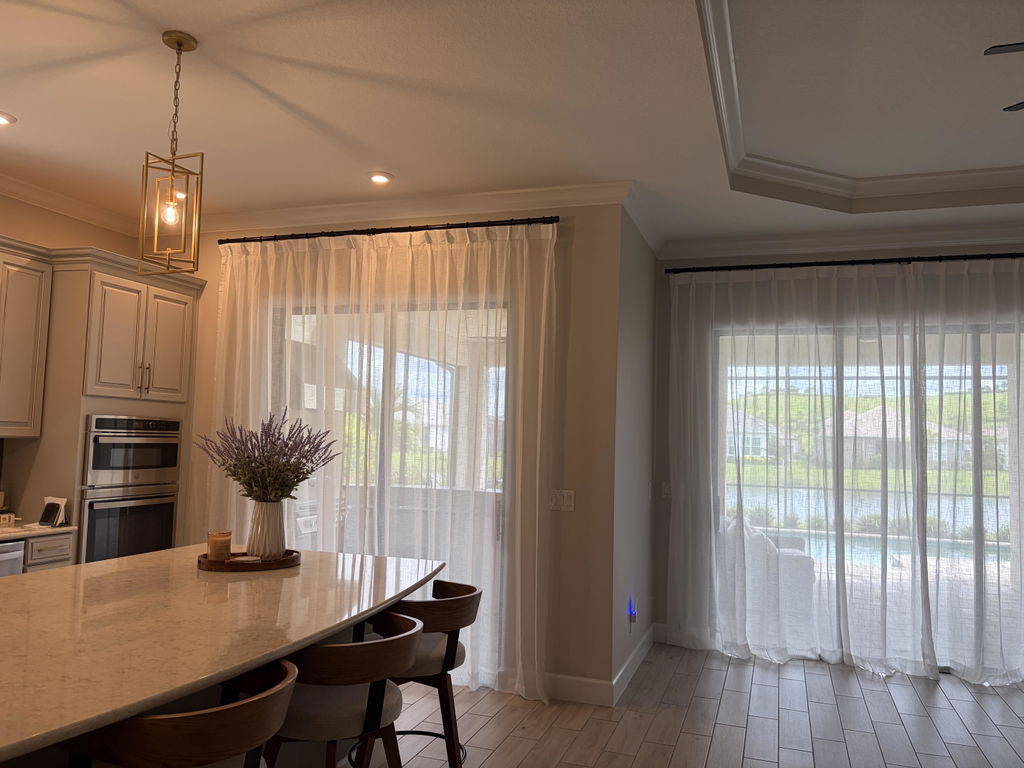
Swag curtains, or swags, are window treatments characterized by soft, curved folds across the top of the window, often with fabric extending toward the sides. Depending on the fabric, they can add romance and softness or drama and boldness to a space. Unlike the solid structure of cornices and the simplicity of valances, swag curtains bring movement and flow to the room thanks to their gentle folds and curves. There are no hard structures, so you can hang and drape your swags however you like, making them highly versatile. Swags are a great choice for anyone looking to add visual interest and beauty to their room.
Common Materials & Styles
Typically, swag curtains are made from drapable, lightweight fabrics like cotton, lace, chiffon, sheer voile, linen, and polyester. For a more high-end look, velvet and silk are also great options. The material you use depends on the room's aesthetic. For example, linen and cotton are ideal for casual or country style, while sheer voile, lace, and chiffon are romantic, timeless, and vintage. Velvet adds drama and is great for a study or library, while richer fabrics and patterns can create a more decorative appearance.
You can also change the feeling of the space through how you drape the fabric. A single drape along the top is timeless and sophisticated, while multiple drapes are more modern and casual. Using enough fabric to allow the cascading sides to overflow onto the floor is another excellent way to add drama in a living room or bedroom.
Best Use Cases
As we mentioned above, swag curtains are very versatile, which means you can use them in a variety of ways. These include:
● With lighter fabrics in main living spaces to add softness without blocking too much natural light
● To add charm with a cozy cottage, rustic, or farmhouse feel to bedrooms, bathrooms, and kitchens
● Layering over shades or blinds to add texture and visual interest
You can customize your swags and make them your own by selecting a fabric and draping style that matches your aesthetic. Don’t be afraid to play around with them and have fun; they’re truly a foolproof window treatment that’s great for everyone!
Pros & Cons
Swag curtains enhance the look of your room, but you will want to keep the following in mind.
Pros
● Add softness and elegance that’s perfect for multiple decor styles
● Easy installation for a user-friendly hanging
● Highly customizable and versatile
● Other than a drapery rod, there’s no additional hardware needed
Cons
● Depending on the fabric, they can be costly
● Folds and detailed shapes may require more care when cleaning
● Minimal light control as a standalone window treatment
Cornice vs Valance vs Swag: Quick Comparison
The main differences between these window toppers come down to their structure, overall look, and how decorative you want the top of the window to feel.
|
Feature |
Cornice |
Valance |
Swag |
|
Example |
 |
 |
 |
|
Structure |
Rigid and structured |
Fabric-based; many styles are board-mounted |
Fabric shaped into curved swags and side sections |
|
Overall Look |
Clean, tailored, architectural |
Soft to structured depending on style |
Flowing and decorative |
|
Common Shapes |
Flat, arched, stepped |
Tailored, pleated, scalloped, Roman-style |
Curved folds with decorative side tails |
|
Hardware Concealment |
Excellent |
Good |
Good |
|
Light & Privacy Control |
Primarily decorative |
Primarily decorative |
Primarily decorative |
|
Works Well With |
Curtains, Roman shades, roller shades, blinds |
Curtains, shades, blinds |
Curtains, shades, blinds |
|
Best For |
A clean, structured look |
A softer, versatile fabric finish |
A more decorative look with movement and curves |
In short, choose a cornice when you want more structure, a valance when you want a softer fabric finish, and a swag-style valance when you want more decorative movement and curved folds.

Choosing Between a Cornice, Valance & Swag
Now that you know the difference between a cornice vs. valance vs. swag, think about the look you want to create. Here are a few questions to ask yourself to make the decision easier.
1. Do I want a structured or softer look?
2. How decorative do I want the top of the window to feel?
3. Do I need to conceal curtain rods, tracks, or other hardware?
4. Will I pair my topper with curtains, shades, or blinds?
The questions above help clarify what you’re looking for in your window treatments, so you can narrow down your choices to the options that best fit each answer. Each window dressing has its own strong points. For example, cornices are a great choice when you want to add structure, elegance, and sophistication. If you’re looking to soften a more formal space, swags are an excellent option. Valances are popular in kitchens and bathrooms, since they are less likely to get dirty.
Whichever style you choose, consider how it works with the proportions of your window, the treatment underneath it, and the overall style of the room.

Cornice vs Valance vs Swag for the Perfect Finishing Touch
Adding window treatments to your home is an easy way to personalize it and make it feel like yours. Knowing the differences between a cornice vs. valance vs. swag makes it easy to choose the coverings that are right for you. Whether you’re looking to dress up the space, add a pop of color, or a bit of romance, window treatments are the finishing touch that makes a house a home.


Leave a comment