
How to Choose the Right Length for Custom Curtains?
Choosing the right curtain length can greatly affect a room's look and light control. This article explains the differences between sill length, floor length, and puddle length curtains, what to consider when choosing between them, and answers common questions about curtain length.

If you already know the finished look you want but need help determining the exact dimensions to order, see our Drapery Measuring Instruction.
NAVIGATION
Know the Hem of the Curtains
Before choosing a curtain length, it helps to understand the side and bottom hems that finish the edges of a curtain panel.

What is Side Hem?
The size of a side hem can vary depending on the curtain style and construction. For many TWOPAGES custom drapery styles, the side hem is 1 inch wide. The specific construction may vary depending on the fabric and curtain style.
The side hem of a curtain refers to the folded and stitched edges along the sides of the curtain fabric. It is a finishing technique used to create neat, polished edges. Side hems help reinforce the fabric, prevent fraying, and provide a clean appearance when the curtains are hung. They are often sewn with a sewing machine or by hand, using a straight stitch or a blind hem stitch.
What is Bottom Hem?

The size of the bottom hem can vary depending on the curtain style and construction. For many TWOPAGES custom curtains, the bottom hem is typically 1.5 inches, while some curtain styles may use a different bottom-hem construction.
The bottom hem of a curtain refers to the finished edge at the bottom of the curtain panel. It is the lowermost part of the curtain, where the fabric is typically folded and sewn to create a neat, clean finish. The bottom hem helps add weight and structure to the curtain, allowing it to hang more naturally and helping prevent the fabric from curling at the bottom. It also gives the curtain a clean, finished appearance.
Note: Lined curtains also include a bottom hem. If reducing light gaps at the bottom is important, consider a puddle-length finish for additional coverage. Curtain length is only one factor in light control; fabric, lining, and overall window coverage also affect the final result.
Curtain Length Options at a Glance
The right curtain length depends on where you want the finished hem to fall and how the curtains need to function in your space.
| Curtain Length | Visual | Where It Ends | Best For |
|---|---|---|---|
| Sill Length |
 |
At the window sill | Windows with furniture, counters, radiators, or fixtures below |
| Apron Length |
 |
About 4–6 inches below the sill | More coverage while keeping the curtain well above the floor |
| Float |
 |
About 1 inch above the floor | A clean full-length look, easy operation, and easier floor cleaning |
| Kiss |
 |
Just touches the floor | A tailored floor-length look without fabric pooling |
| Puddle |
 |
About 1 inch beyond the floor* | A softer drape with a small amount of fabric resting on the floor |
* TWOPAGES uses about 1 inch of pooling for its Puddle option; additional length creates a fuller puddle.
These finished looks are a starting point. The best choice also depends on the conditions around your window and floor.
Sill Length Curtains
Sill length curtains end at the window sill, creating a neat and compact look while keeping the area below the window clear.
They can be a practical choice when furniture, counters, radiators, or other fixtures are positioned beneath the window and a full-length curtain would interfere with the space.
If you want slightly more coverage, consider apron length curtains, which typically end about 4–6 inches below the sill while still remaining well above the floor.
For standard curtain dimensions and a broader comparison of curtain sizes, see our Curtain Sizes Guide.
Floor Length Curtains
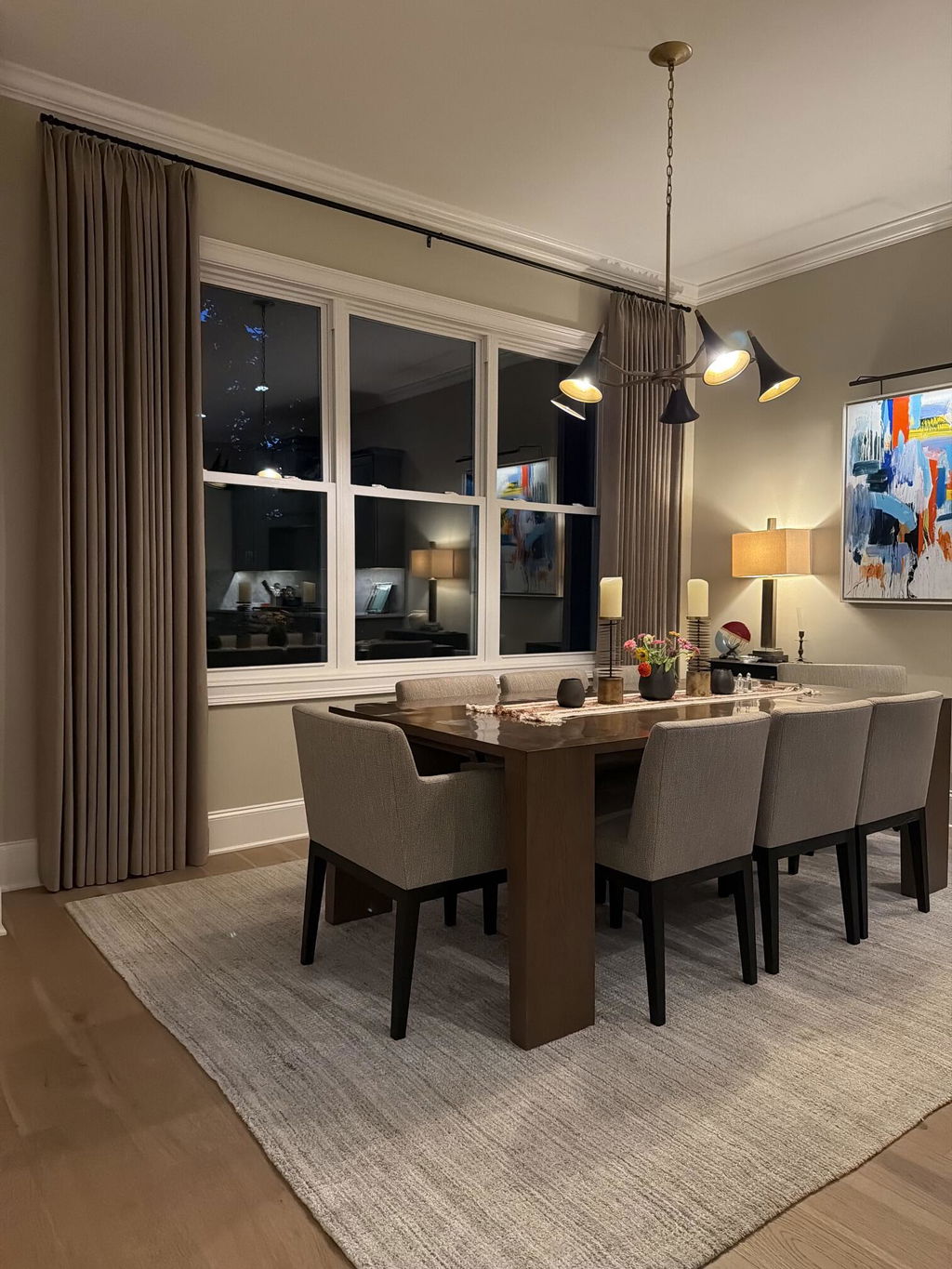
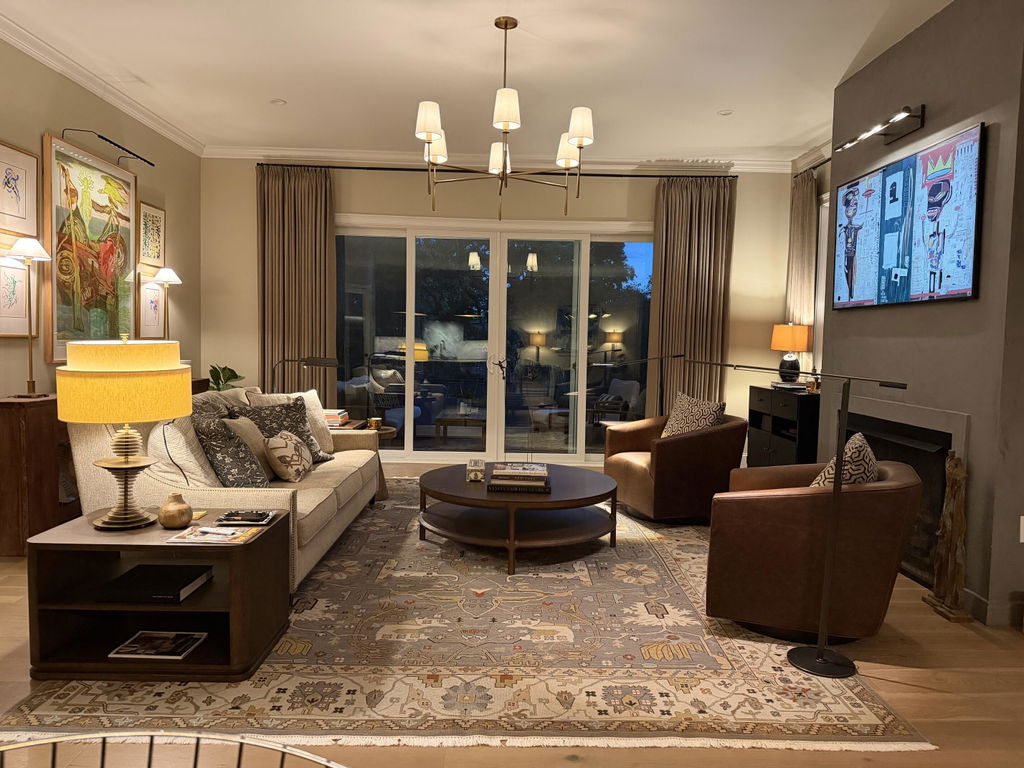
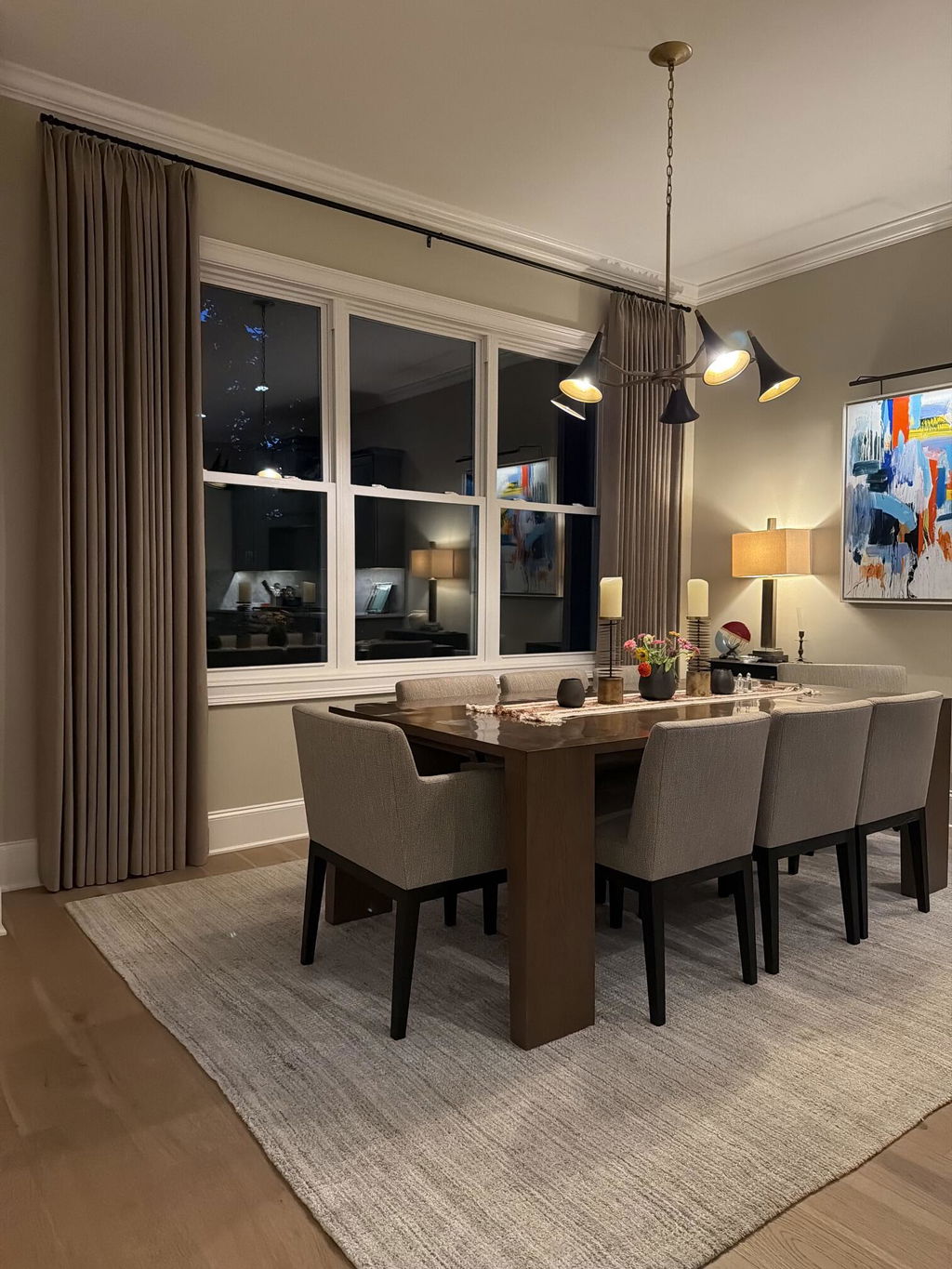
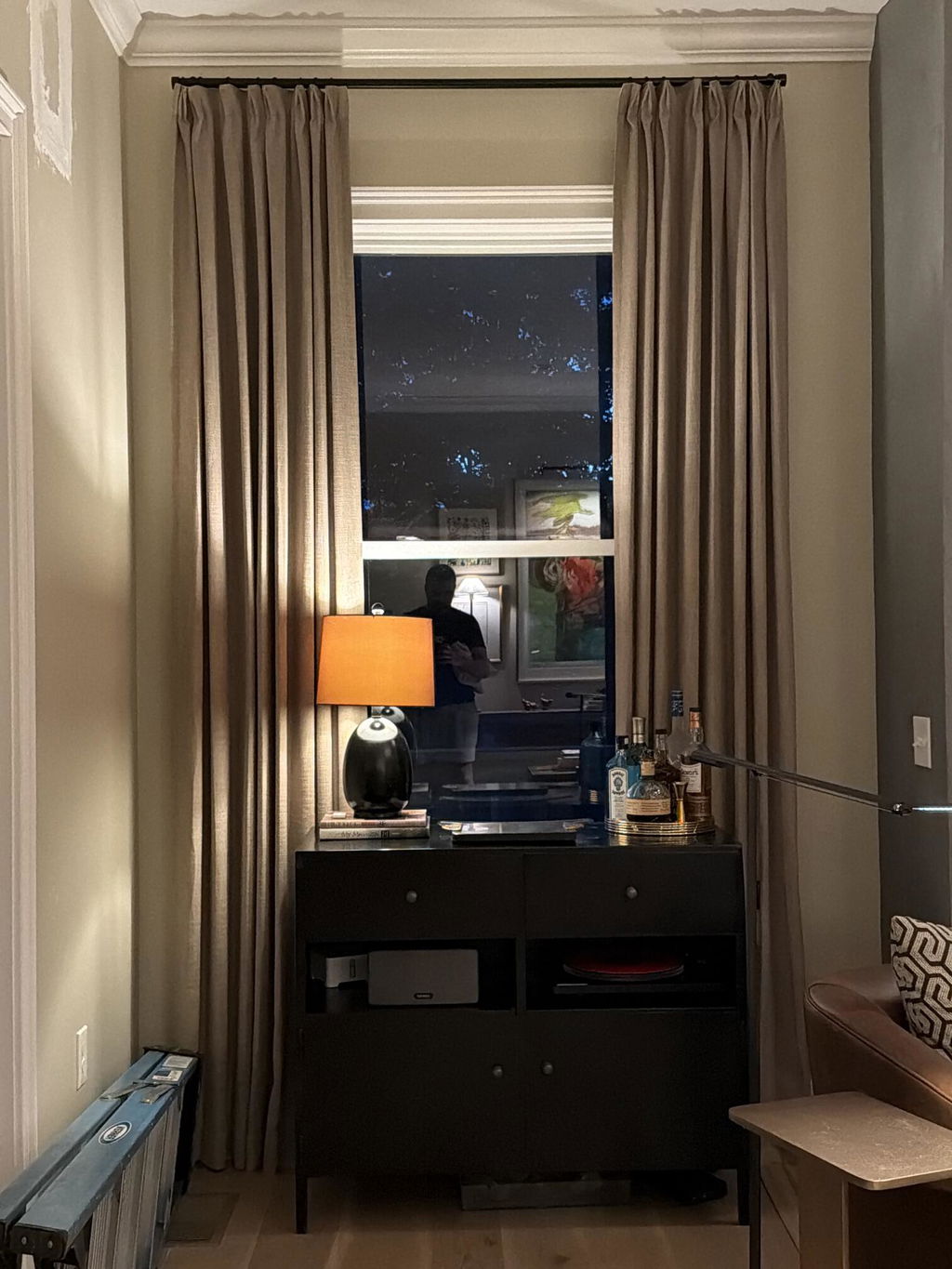
Floor length curtains extend to or near the floor, creating a continuous vertical line from the curtain hardware to the bottom hem. The exact position of the bottom hem changes both the finished look and how the curtains function day to day.
Float: About 1 Inch Above the Floor
A float finish leaves approximately 1 inch of clearance between the curtain and the floor.
This creates a clean, tailored appearance and keeps the fabric from dragging across the floor. It is especially practical when curtains are opened and closed frequently, when easier floor cleaning is a priority, or in homes with robot vacuums.
Kiss: Just Touching the Floor
A kiss finish allows the bottom hem to just touch the floor.
It creates a continuous floor-length appearance without leaving excess fabric on the ground. Because the hem sits directly at floor level, accurate measuring and the actual floor level become more important.
Puddle Length Curtains
Puddle length curtains extend beyond the floor so that some fabric rests on the ground. For the TWOPAGES Puddle option, about 1 inch of extra length is added beyond the floor, while more length can be added for a fuller puddle.
Compared with float or kiss finishes, puddling creates a softer, more relaxed look and provides more coverage at the bottom. The final puddle effect also depends on the fabric's weight and drape, with softer fabrics forming more relaxed folds and heavier or more structured fabrics creating a more pronounced break at the floor.
Because the fabric rests on the floor, puddle length generally requires more maintenance, especially in high-traffic areas or when curtains are opened and closed frequently.

What Affects the Curtain Length You Should Choose?
Curtain length is not determined by window height alone. Room layout, floor conditions, and light-control needs should also be considered when choosing a finished length.
Furniture and Fixtures Below the Window
Furniture or fixtures beneath a window can affect how far the curtains should extend. If a sofa, desk, cabinet, counter, window seat, or other built-in occupies the area below the window, sill or apron length can help keep the curtain clear of the surrounding space.
Radiators, Vents, and Heating Elements
Consider radiators, baseboard heaters, HVAC vents, and other heating elements below or near the window. Curtains should not interfere with heating equipment or unnecessarily obstruct airflow.
Floor Conditions
Floor conditions can affect how a floor-length curtain hangs. An uneven floor is more noticeable with a kiss finish because the hem is designed to just touch the floor. A float finish leaves more clearance, making slight variations in floor height less noticeable.
Light Control
Curtain length can affect the amount of light entering beneath the panel. A curtain that ends above the floor leaves a bottom gap, while a floor-touching or puddle finish provides more coverage near the floor. Fabric, lining, fullness, and overall window coverage also affect light control.
Choosing the Right Curtain Length
The right curtain length depends on both the look you want and how the curtains need to function in your space. Once you've chosen the finished look, use the correct measuring method for your curtain style and hardware.FAQs of How to Choose the Right Length for Custom Curtains
How do I measure the length of curtains I need?
The correct measuring point depends on your curtain header and hardware. Follow our Drapery Measuring Instruction for the method that matches your curtain style.
Can I use longer curtains for shorter windows?
Yes, you can! Floor-length curtains can create a longer vertical line even on shorter windows. The final length should be based on your hardware position and preferred finished look.
Are there standard sizes for custom curtains?
While industry-standard sizes are available, our custom curtains provide greater flexibility to accommodate your specific dimensions. Please note that due to handcraft, slight variations may occur, but we aim to ensure a beautiful, tailored look for your space.


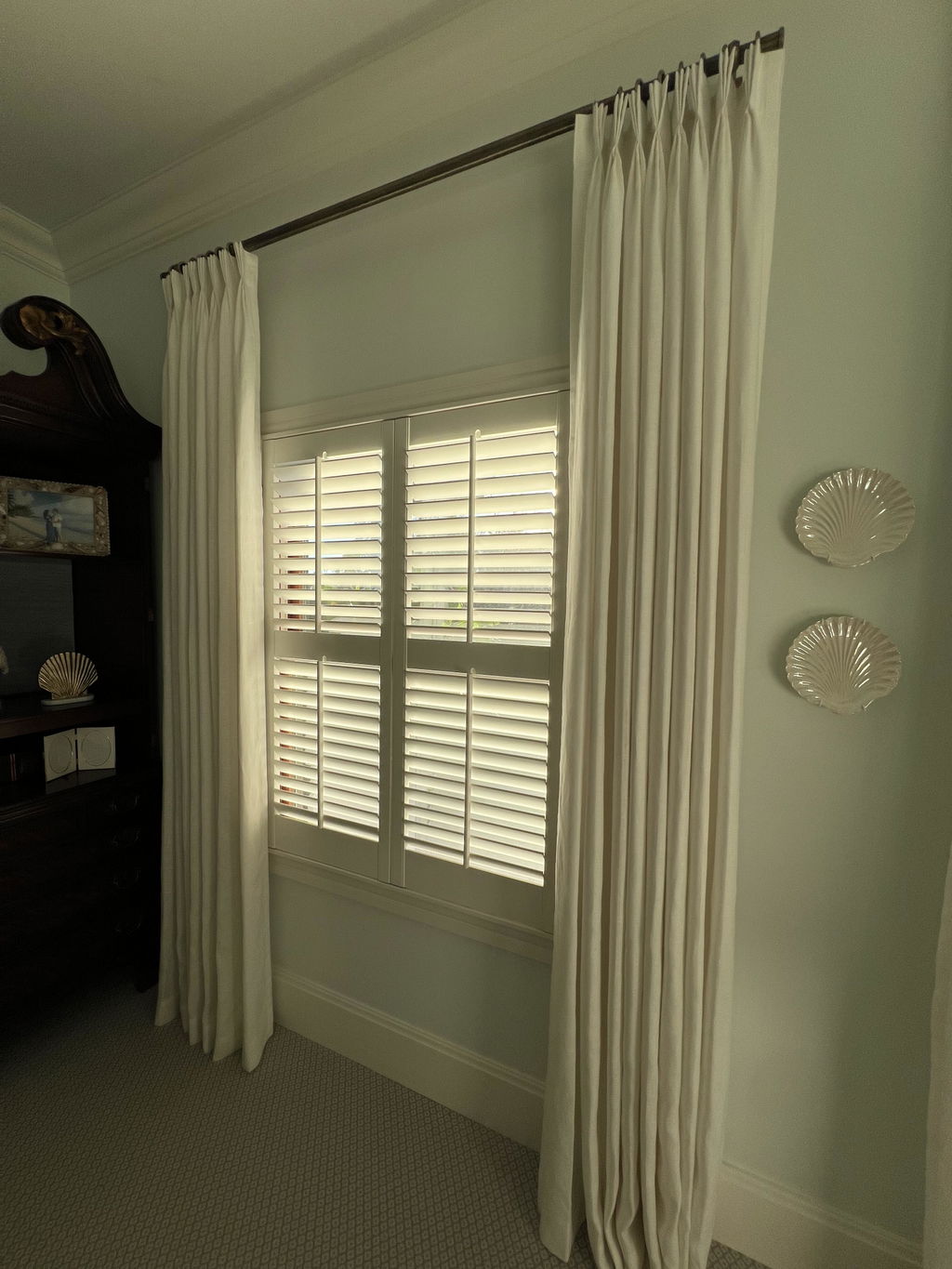
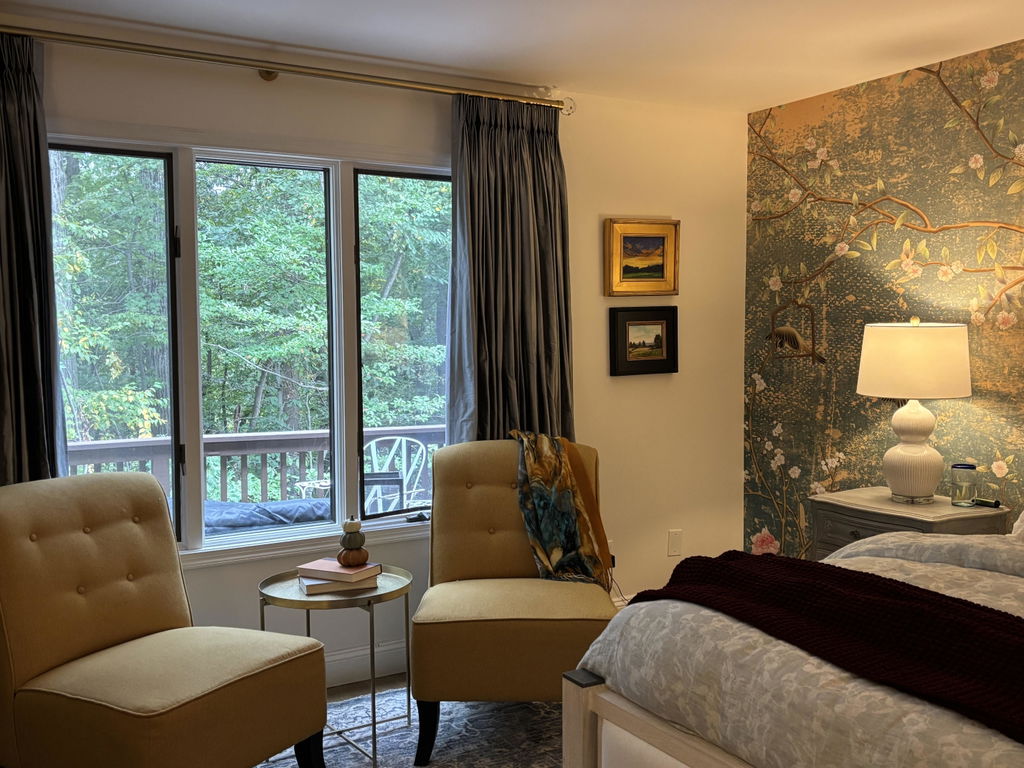
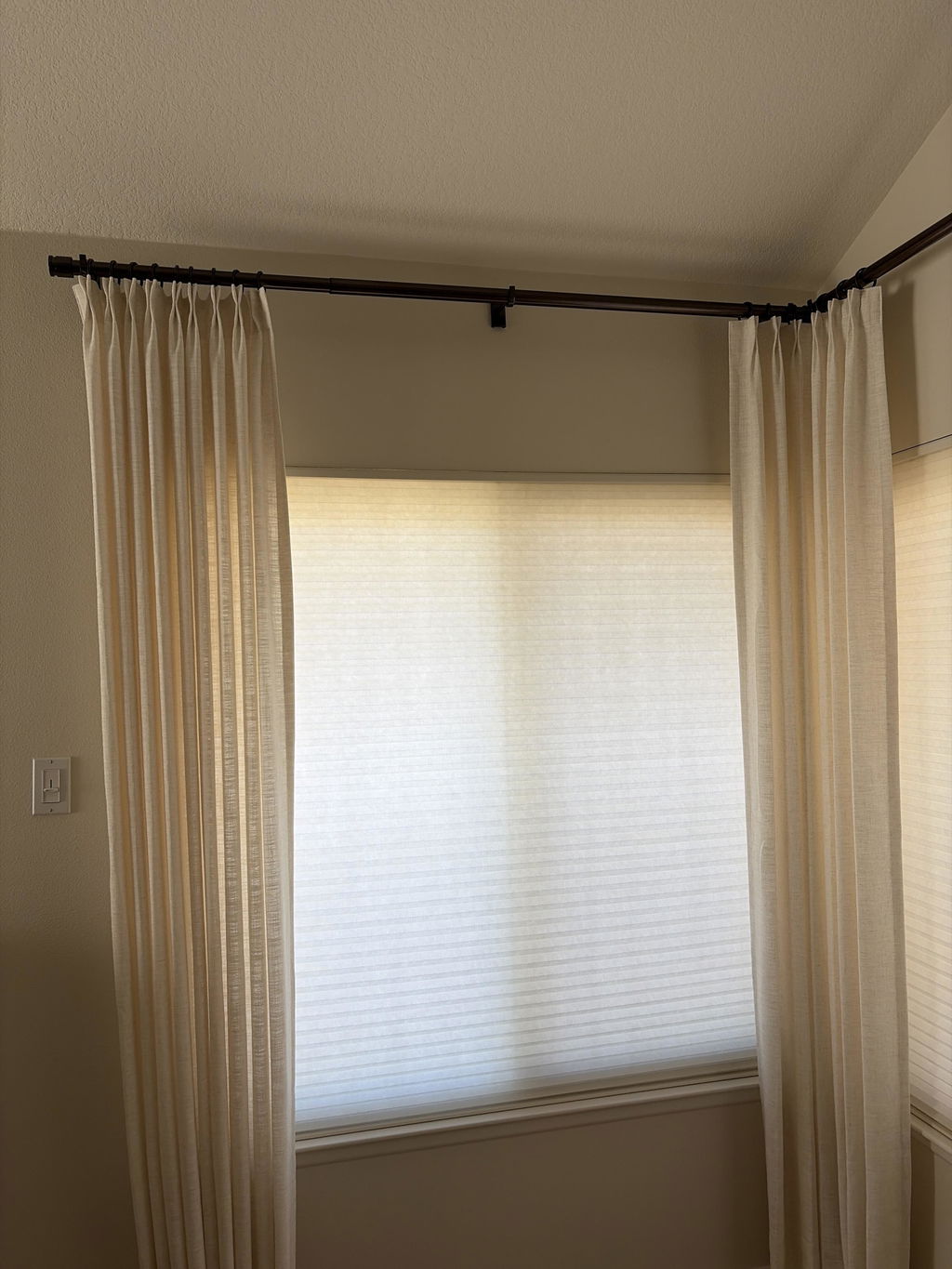
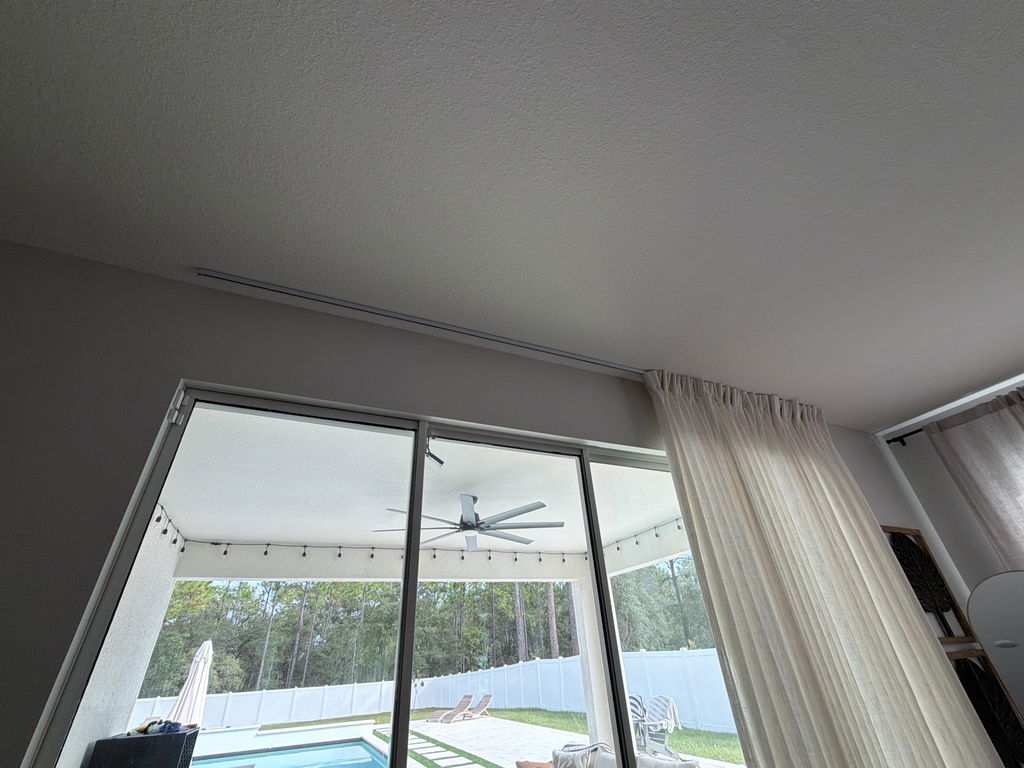
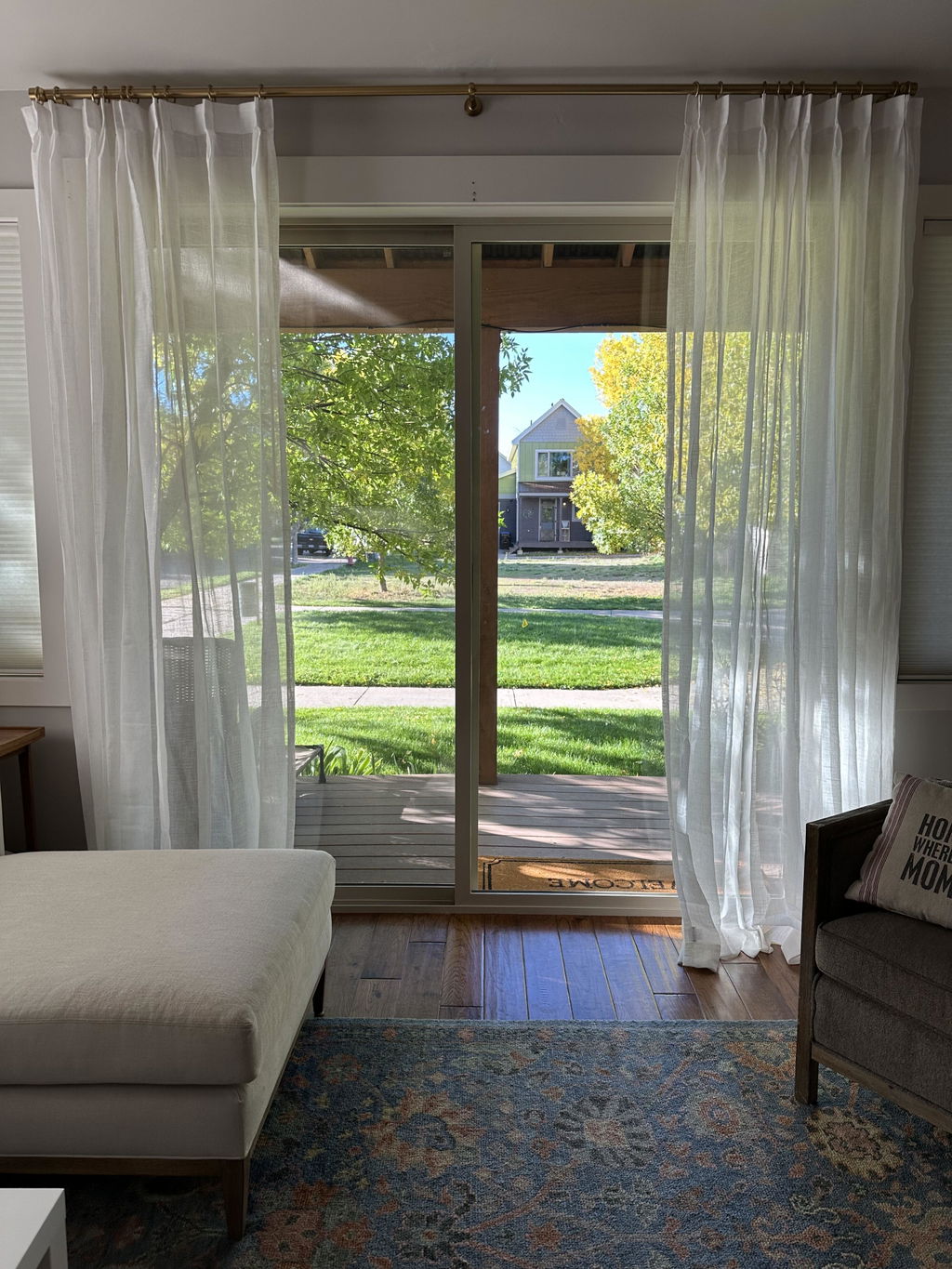
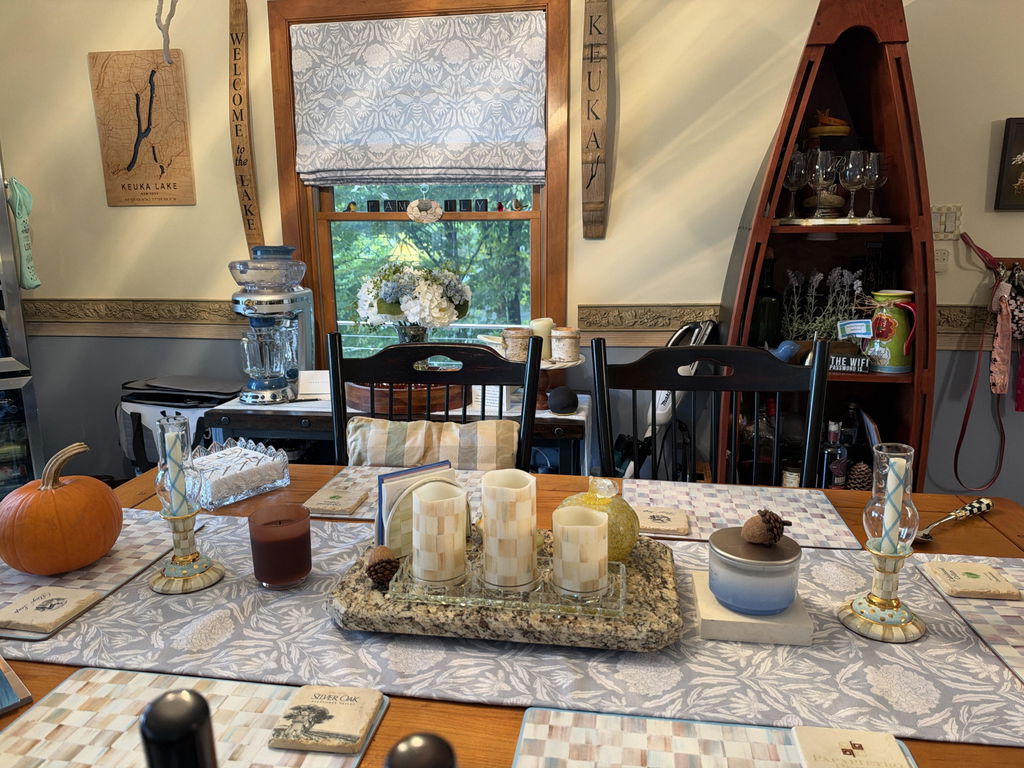
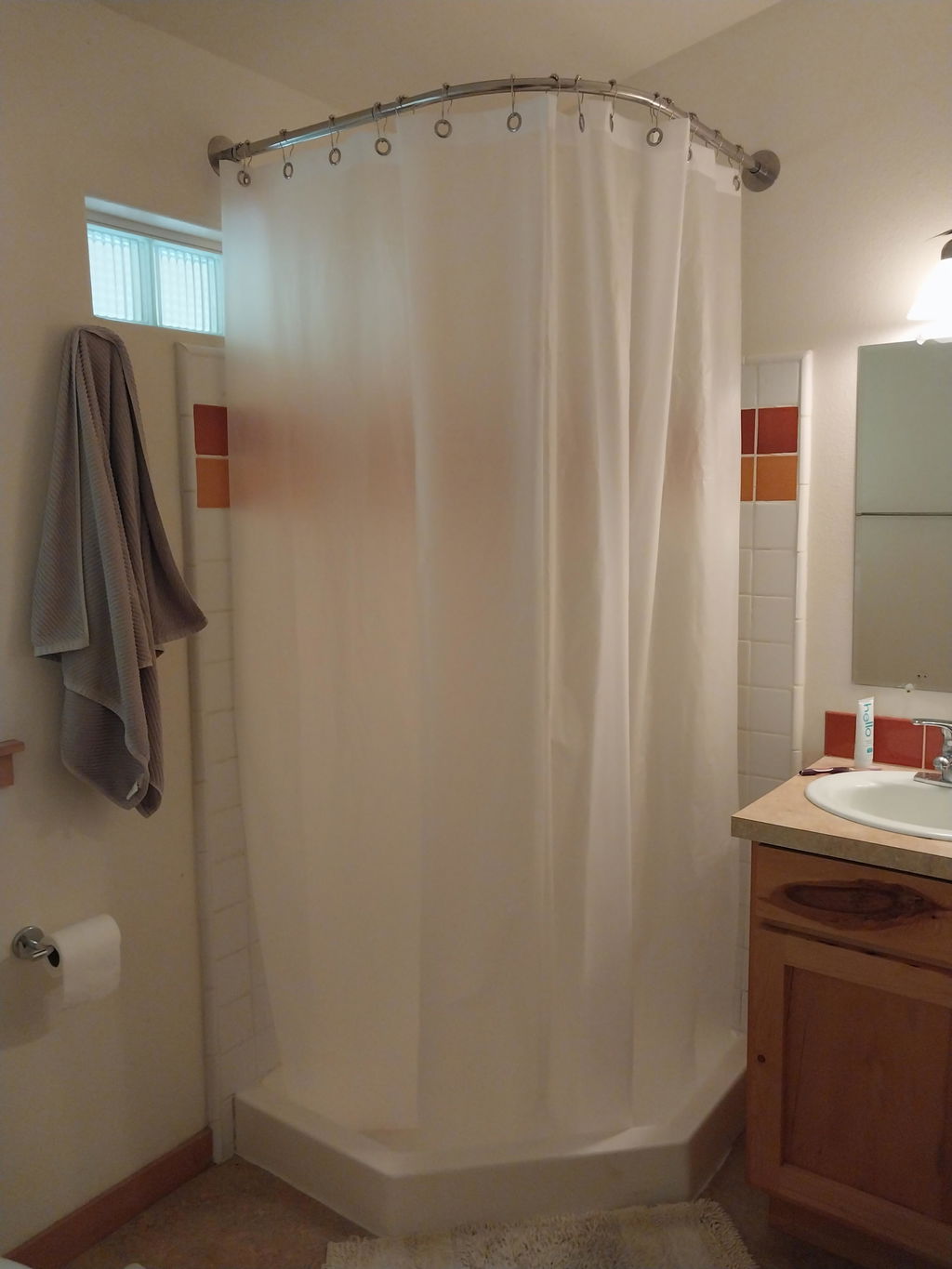
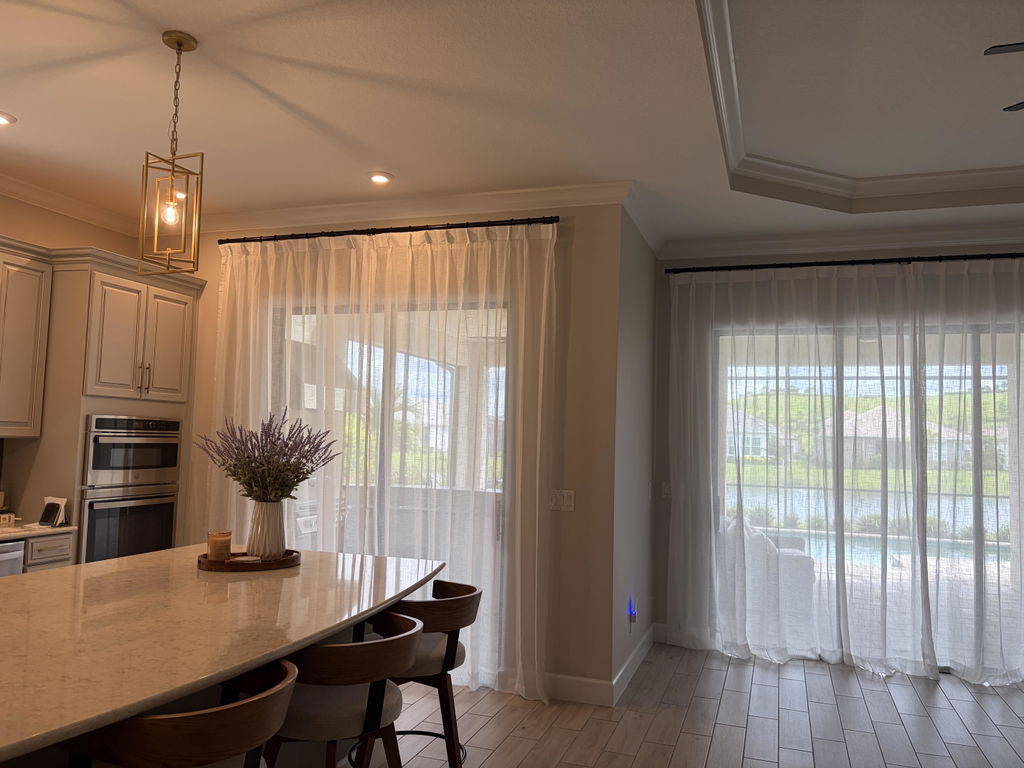
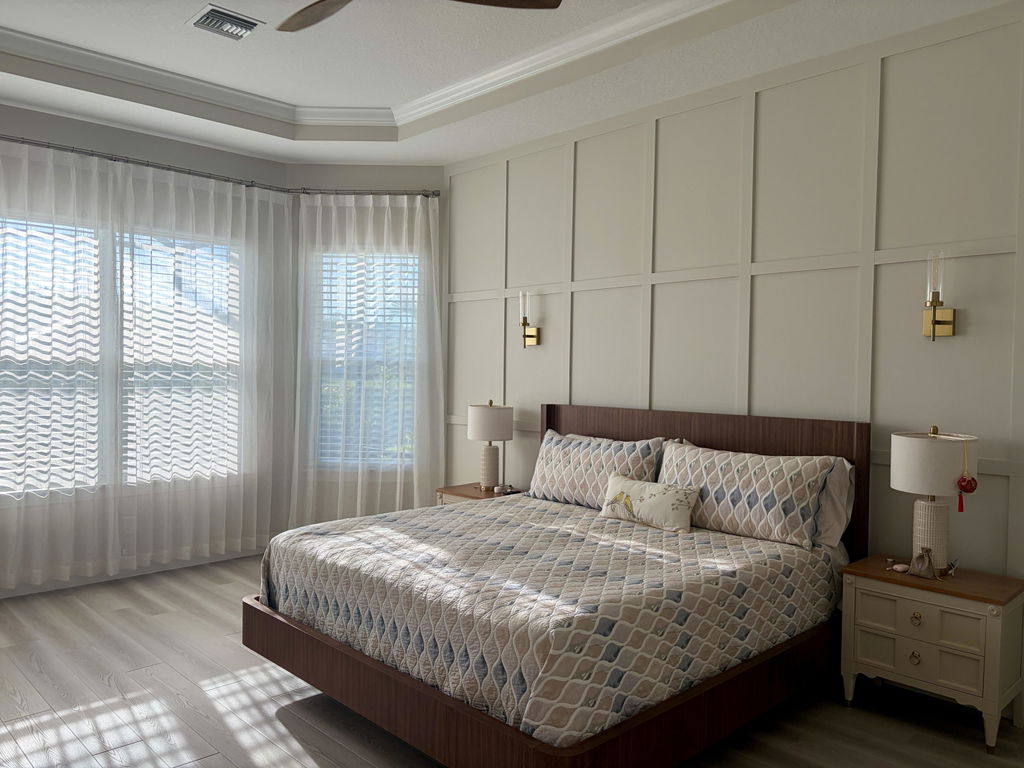
I need help with the length of the curtains. From ceiling to floor is 108
But I will need to buy the road too
I want my curtains just touching the floor. What size will you recommend me to get
Thank you
Leave a comment